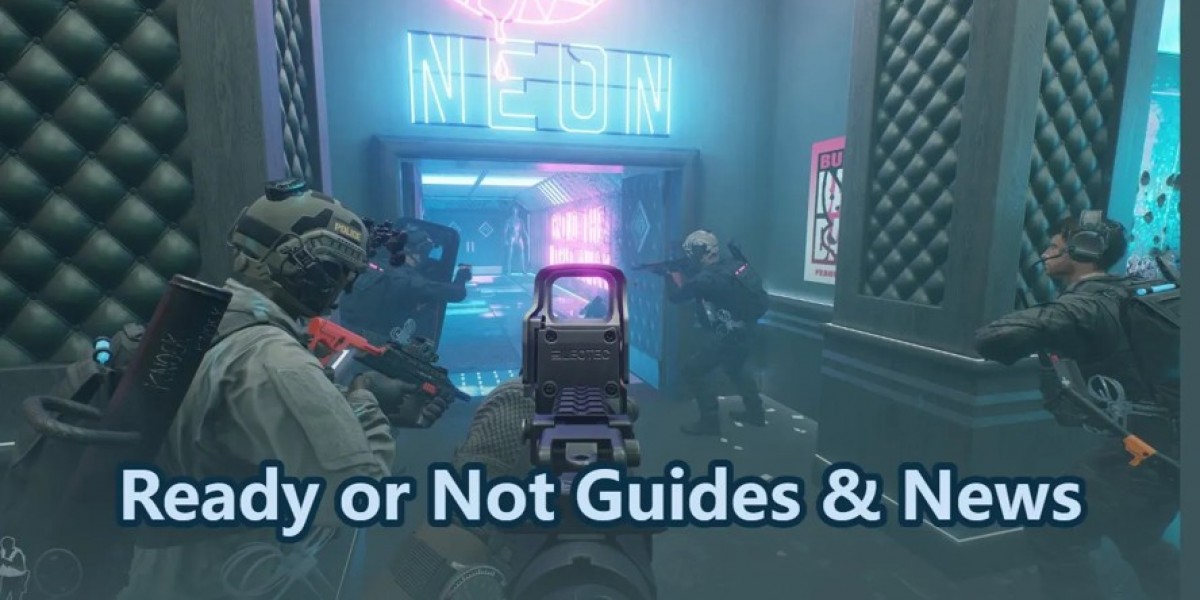

The art direction and sound design are the unsung heroes that make the repetitive three-minute gameplay loop so incredibly satisfying.
This article explores how audio-visual feedback loops hook players and elevate the genre beyond simple spreadsheets of numbers.
Reading the Battlefield
To achieve this, artists use highly exaggerated proportions, distinct color palettes, and completely unique character silhouettes.
This is why top-tier games avoid gritty realism, opting instead for bright, stylized, cartoonish graphics that read perfectly on small displays.
- Instant recognition is critical.
- The wind-up before a massive strike gives the player time to react.
- Clutter ruins the competitive experience.
Sound Cues and Gameplay
Audio cues are just as important as visual cues; every unit in a high-quality game has a unique deployment sound.
This audio-visual synchronicity triggers dopamine releases, making the simple act of playing a card feel inherently rewarding.
| Acoustic Design | Gameplay Purpose |
|---|---|
| Unit Cry | Alerts the opponent exactly what card was played even if they are looking at the other lane |
| Endgame Audio | Increases the tempo dramatically to induce adrenaline and panic |
The Complete Package
Never underestimate the power of a perfectly designed sound effect or a beautifully animated character sprite.

It is a masterclass in modern game design, combining psychology, art, and mathematics into one perfect package.
If you adored this article and you also would like to receive more info regarding tower rush generously visit the web page.