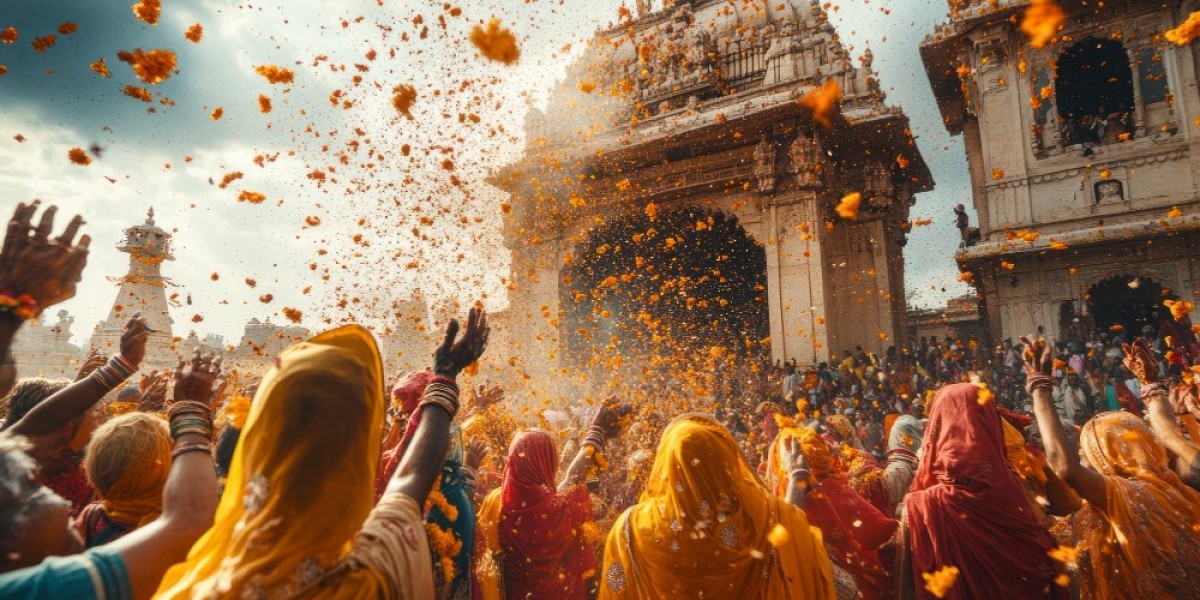

Bhakti is one of the oldest and most meaningful traditions of India. The word “Bhakti” is often translated as devotion, but its meaning goes much deeper. It is about love, connection, gratitude and surrender. For millions of people, Bhakti has never been limited to temples or prayers. It has become a way of living, thinking and connecting with others.
From singing devotional songs to serving people, celebrating festivals and remembering the divine in everyday life, Bhakti can be found in many parts of Indian culture. Even today, its influence continues to grow among people looking for a deeper sense of purpose and connection.
What Does Bhakti Really Mean?
The word Bhakti comes from the Sanskrit root “bhaj,” which is associated with sharing, participation, devotion and connection. At its heart, Bhakti is about developing a personal relationship with the divine.
This relationship can take many forms. For some people, it may be expressed through prayer. For others, it may come through music, meditation, service, art or simply showing kindness to another person.
This makes Bhakti a very personal experience. There is no single way to practice it.
How Did Bhakti Become Popular in India?
Bhakti gradually became a powerful spiritual and cultural movement across different parts of India. Saints, poets and teachers expressed their devotion through simple language, songs and stories that ordinary people could understand.
Figures such as Mirabai, Kabir, Tulsidas, Surdas and many others used poetry and music to express their love for the divine. Their teachings reached people from different communities and social backgrounds.
Instead of making spirituality something distant or difficult, the Bhakti tradition brought it closer to everyday life. People could sing a bhajan, repeat a mantra, listen to devotional poetry or serve others as an expression of their devotion.
Bhakti and Indian Music
Music has always played an important role in Bhakti. Bhajans, kirtans and devotional songs created a simple and emotional way for people to express their feelings.
When people sing together, the experience can become more than just music. A group of voices can create a sense of unity and belonging.
This tradition continues today, while also taking new forms. Contemporary artists are bringing together traditional mantras and devotional sounds with Indian classical music, fusion and modern electronic music. Global Bhakti Fest reflects this evolution by bringing sacred sound, kirtan and contemporary music together in a modern festival experience.
Bhakti Is More Than Prayer
One of the most interesting aspects of Bhakti is that it can be part of ordinary life.
- Cooking for someone with love can be Bhakti.
- Helping someone in need can be Bhakti.
- Taking care of nature can be Bhakti.
- Practising gratitude can be Bhakti.
- Working honestly and responsibly can also become an expression of Bhakti.
This broader understanding of devotion is one reason the tradition remains relevant today. Global Bhakti Fest also presents Bhakti as something that can be experienced through music, meditation, food, service, conscious business and everyday living.
The Role of Bhakti in Indian Culture
Bhakti has influenced much more than religion. It has shaped Indian music, literature, dance, art, festivals and community life.
Many Indian cultural traditions have been connected with stories of devotion, particularly those associated with Krishna, Rama, Shiva, Devi and other forms of the divine.
India's cultural heritage continues to carry these traditions through classical music, folk performances, crafts, festivals and pilgrimage. This connection between spirituality and culture is also an important part of India's living heritage.
Why Is Bhakti Still Relevant Today?
Modern life can often feel fast and disconnected. People may have access to more information and technology than ever before, while still searching for peace, purpose and a sense of belonging.
Bhakti offers a simple idea: slow down, connect with what matters and live with greater awareness.
This does not necessarily mean giving up modern life. Instead, Bhakti can become part of modern life.
A person can work in a busy city, use technology, build a business and still make space for gratitude, meditation, music, service and meaningful relationships.
This is also why modern spiritual communities and spiritual events are finding new audiences among people who want to explore ancient ideas in contemporary settings.
Bhakti and the Future
Bhakti has survived for centuries because it has never been limited to one form. It has continued to change with society while keeping its central values of love, devotion, service and connection.
Today, Bhakti is finding new expressions through music festivals, wellness experiences, digital communities, cultural programmes and conversations about conscious living.
Global Bhakti Fest is part of this contemporary expression. Its five pillars — Bhakti, Bharat, Balance, Belonging and The Future — connect India's ancient traditions with modern questions about culture, wellbeing, technology and society.
Conclusion
Bhakti became a way of life in India because it made spirituality personal, accessible and connected to everyday living. It could be found in a song, a prayer, a meal, a celebration, a helping hand or a moment of gratitude. Its strength lies in its simplicity.
Bhakti reminds us that spirituality does not always have to be separate from daily life. It can be expressed through how we live, how we treat others and what we choose to give our hearts to. That is perhaps why, after centuries, Bhakti continues to find a place in the lives of people in India and around the world.






