
Introduction
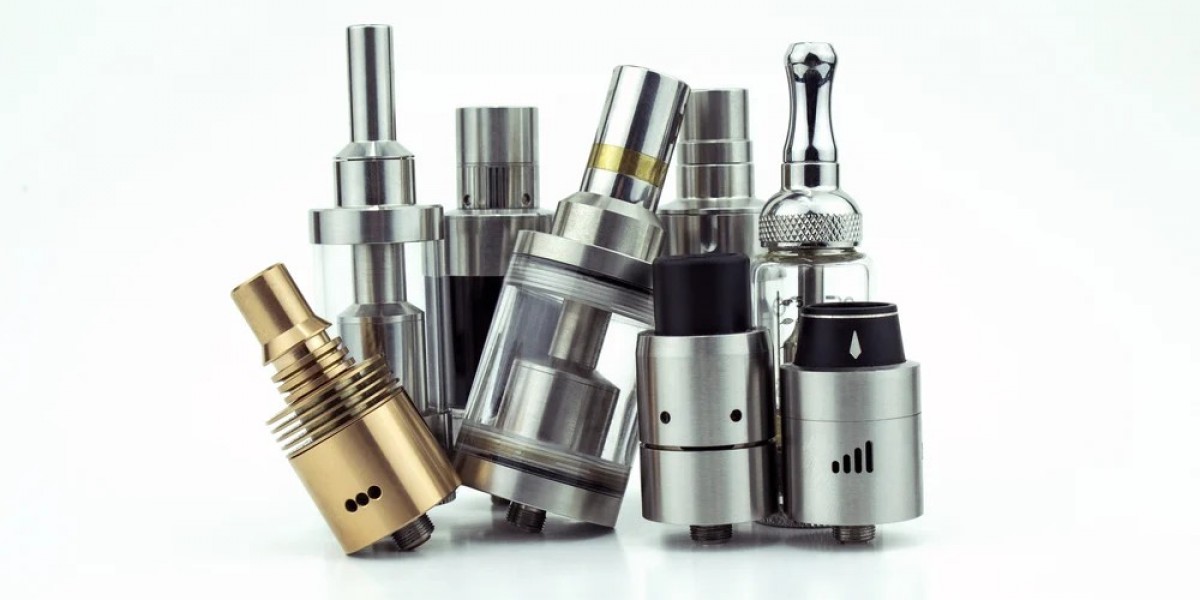
Vape tank capacity refers to the amount of e-liquid a vape device can hold at one time. It is usually measured in millilitres (ml) and is an important specification when comparing different vape devices. Tanks and pods are available in different designs, with variations in size, filling mechanisms and overall construction.
Understanding tank capacity helps explain how vape devices are designed and how their liquid storage systems work. It is also important when checking product specifications and understanding applicable regulations. This guide explores what vape tank capacity means, how it is measured and why it matters when comparing different devices.
What Does Vape Tank Capacity Mean?
Vape tank capacity describes the maximum volume of e-liquid that a tank or pod is designed to hold. It is different from battery capacity, which measures the electrical energy a rechargeable device can store. While battery capacity is measured in milliampere-hours (mAh), liquid capacity is measured in millilitres.
Different devices use different liquid storage systems. Traditional vape tanks, refillable pods and cartridge-based systems may have different shapes and internal designs. When reviewing a product specification, it is useful to understand the following details:
Tank Volume: The amount of e-liquid the tank can contain.
Measurement Unit: Capacity is generally expressed in millilitres.
Tank Design: The shape and internal structure of the storage chamber.
Filling Mechanism: The opening or system used to fill the tank.
Product Specifications: The capacity stated by the manufacturer.
These details help distinguish between different device designs and provide a clearer understanding of their specifications.
How Is Vape Tank Capacity Measured?
Vape tank capacity is measured in millilitres, which is a standard unit used for measuring liquid volume. One millilitre represents one-thousandth of a litre. Manufacturers generally include tank capacity in product descriptions, packaging and technical specifications.
The stated capacity refers to the amount of liquid the storage chamber is designed to contain. However, the actual usable volume can depend on the internal structure, filling arrangement and product design.
When checking tank measurements, consider:
The stated capacity in millilitres.
Whether the specification refers to the tank or a refill bottle.
The manufacturer's published product information.
Any applicable regional capacity restrictions.
Understanding these measurements makes it easier to compare product specifications without confusing tank volume with other device features.
Why Does Vape Tank Capacity Matter?
Tank capacity is an important product specification because it determines the amount of e-liquid a storage chamber is designed to hold. Different device designs have different capacity limits depending on their construction and intended market. Understanding this feature helps explain the differences between refillable tanks, pods and other cartridge-based systems.
Capacity also matters when reviewing product information and checking whether a device meets applicable regulations. Before comparing products, consider these points:
Storage Volume: Understand the stated liquid capacity.
Product Design: Check how the tank or pod is constructed.
Refilling System: Review the filling mechanism and manufacturer's instructions.
Regulatory Requirements: Check the capacity restrictions applicable in the country where the product is sold.
These specifications provide useful information about the design and requirements of different vaping products.
Understanding UK Vape Tank Capacity Regulations
Vape tank capacity is particularly important in the UK because electronic cigarettes are subject to specific product requirements under the Tobacco and Related Products Regulations 2016. These regulations establish limits for nicotine-containing vaping products, including tank capacity and refill container volume.
The main requirements include:
Maximum Tank Capacity: 2ml for relevant refillable electronic cigarettes.
Disposable and Single-Use Cartridges: Maximum capacity of 2ml.
Refill Containers: Maximum volume of 10ml for nicotine-containing e-liquid.
Nicotine Concentration: Maximum permitted strength of 20mg/ml.
These requirements apply to relevant nicotine-containing products supplied in the UK.
Manufacturers and retailers must ensure that products supplied to the UK market meet applicable requirements. Checking official product information and regulatory guidance is therefore important when researching different tank designs.
What Is the Difference Between Tank and Pod Capacity?
Tank capacity and pod capacity both describe the volume of e-liquid a device's storage component can hold. However, they refer to different product designs. Traditional vape tanks are generally separate components, whereas pod systems use compact cartridges that connect directly to the device.
Understanding this distinction can make product descriptions easier to interpret. Some important differences include:
Traditional Tanks: Usually feature a separate liquid chamber and a dedicated connection to the device.
Refillable Pods: Use compact cartridges with integrated or replaceable coils.
Prefilled Pods: Contain e-liquid before being supplied and are designed for compatible devices.
Integrated Systems: Combine several components within a compact device design.
Although their construction differs, both tanks and pods have specific capacity requirements. Always check the manufacturer's specifications rather than assuming that all storage components have the same dimensions or volume.
How Does Tank Design Affect Its Capacity?
Tank capacity depends on the physical design and internal construction of the storage chamber. Manufacturers consider factors such as the available space, filling mechanism, coil arrangement and overall device dimensions when developing different products.
Several design features influence the stated capacity:
Internal Chamber: Determines the available space for liquid storage.
Tank Shape: Influences the overall construction and dimensions.
Filling Opening: Provides access to the storage chamber.
Coil Placement: The internal heating element and surrounding components occupy space within the design.
Material Construction: Glass, plastic and other materials are used in different tank and pod designs.
These features help explain why two devices with similar external dimensions may have different internal capacities. Product specifications provide the most reliable information when comparing their construction.
Where Can You Find Vape Tank Capacity Information?
Tank capacity information is usually available in product descriptions, packaging and manufacturer documentation. Checking these sources helps establish the stated specifications before researching a particular device or replacement component.
When reviewing product information, look for:
The stated tank or pod capacity in millilitres.
The exact device model and product version.
Manufacturer specifications and instructions.
Relevant regulatory information.
Compatibility details for replacement components.
A best online vape shop may provide product specifications and descriptions that help readers understand the differences between various device designs. Comparing this information with official manufacturer documentation can also help identify accurate capacity details.
Conclusion
Vape tank capacity is an important specification that describes how much e-liquid a device's tank or pod is designed to hold. Understanding this measurement helps explain the differences between traditional tanks, refillable pods and prefilled cartridge systems. Other design features, including internal chambers, filling mechanisms and coil arrangements, also influence how these components are constructed.
When researching vaping devices, always review the manufacturer's specifications and check the regulations applicable to the intended market. Understanding tank measurements, product designs and capacity requirements makes it easier to interpret product information accurately. In the UK, nicotine is addictive and vaping is not risk-free.



