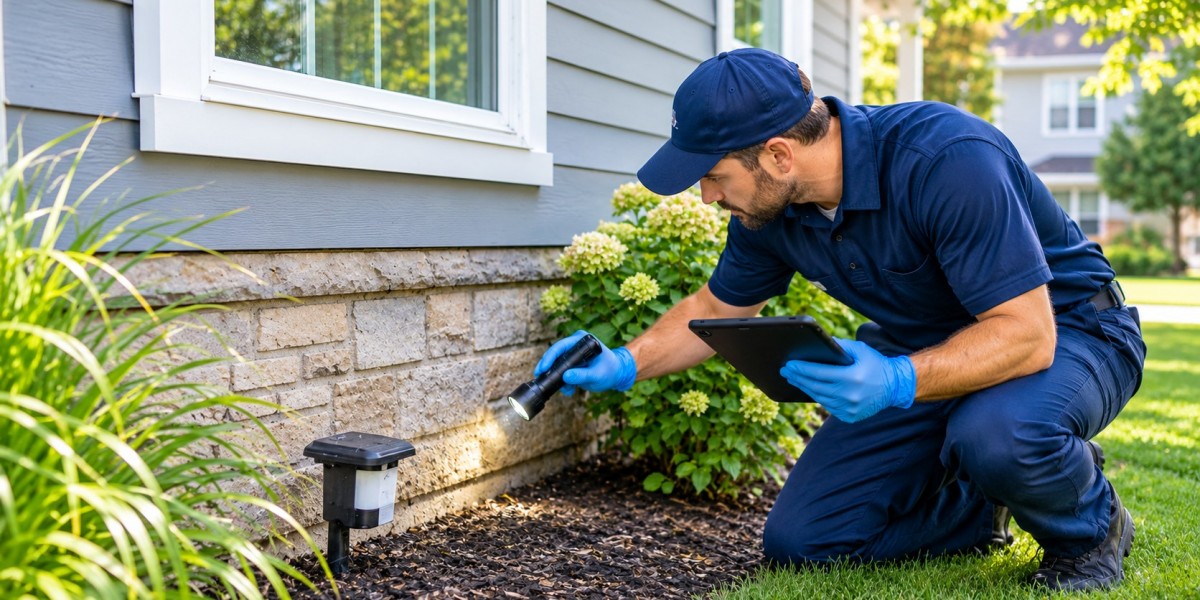

Pest problems can develop quietly inside homes and commercial buildings. A few insects near the kitchen, unusual sounds behind walls, or small signs of rodent activity may not seem serious at first. However, ignoring these early warning signs can allow pests to spread, damage property, and create ongoing maintenance challenges.
Early identification is one of the most effective ways to manage these risks. Whether you own a residential property, manage an apartment building, or operate a commercial facility, regular inspections can help identify potential infestations before they become difficult to control.
For example, noticing cockroach activity around kitchen cabinets or plumbing areas may indicate a larger problem developing in hidden spaces. Professional roach control services can help identify infestation sources, assess affected areas, and recommend suitable treatment and prevention methods.
Understanding why early pest detection matters can help property owners make informed decisions, protect their investments, and maintain cleaner living and working environments.
Table of Contents
Why Early Pest Detection Is Important
Common Signs of Pest Activity
How Undetected Pests Can Damage Properties
Benefits of Professional Pest Inspections
Practical Ways to Prevent Pest Infestations
Why Businesses Need Regular Pest Monitoring
Conclusion
Frequently Asked Questions
1. Why Early Pest Detection Is Important
Early pest detection allows property owners to recognize potential problems before they develop into larger infestations. Many pests reproduce quickly and can remain hidden in places that are not regularly inspected.
For instance, cockroaches often hide behind appliances, inside cabinets, beneath sinks, and around plumbing openings. Rodents may establish nesting areas inside walls, attics, basements, and storage spaces. Termites can damage wooden structures while remaining difficult to notice.
Identifying these problems early offers several important advantages:
Helps prevent infestations from spreading throughout a property.
Reduces the likelihood of extensive structural damage.
Protects stored food, furniture, and other belongings.
Helps maintain cleaner indoor environments.
Makes it easier to identify pest entry points.
Supports more effective long term pest prevention.
Taking action when the first warning signs appear can help property owners avoid unnecessary complications.
2. Common Signs of Pest Activity
Recognizing early warning signs is essential for effective pest management. Although different pests leave different types of evidence, several indicators deserve attention.
Unusual Droppings and Odors
Small droppings around kitchen cabinets, storage areas, or behind appliances may indicate rodent or insect activity. Unusual odors in enclosed spaces can also suggest hidden pest activity or nesting.
Damaged Food Packaging and Property Materials
Chewed food containers, damaged cardboard boxes, and gnaw marks may indicate rodents. Damaged wooden surfaces can sometimes suggest termite activity.
Insect Remains and Shed Wings
Finding dead insects, discarded wings, or shed insect skins near windows, doors, and storage spaces may indicate an infestation.
Repeated Pest Sightings
Seeing cockroaches, ants, or other insects repeatedly in the same location should not be ignored. Repeated sightings may indicate nearby hiding or breeding areas.
Unusual Sounds Behind Walls
Scratching, movement, or gnawing sounds inside ceilings and walls may indicate rodent activity, particularly during quieter hours.
Recognizing these signs helps property owners decide when a professional inspection may be necessary.
3. How Undetected Pests Can Damage Properties
Pests can affect more than the appearance and cleanliness of a building. Certain infestations can gradually damage structural materials, electrical components, furniture, and stored products.
Structural Damage From Termites
Termites feed on cellulose materials found in wood. When their activity remains unnoticed, they can damage wooden flooring, support structures, door frames, and other building components.
Regular inspections of vulnerable wooden areas can help identify warning signs before the damage becomes extensive.
Electrical and Material Damage From Rodents
Rats and mice can chew electrical wiring, insulation, packaging, and other materials. Damaged wiring may create additional safety concerns, making early identification particularly important.
Contamination From Cockroaches
Cockroaches can move through drains, garbage areas, and other unsanitary locations before entering kitchens and food storage spaces. Their presence can contaminate surfaces and food preparation areas.
Professional inspection and appropriate roach control services can help identify hiding places and address conditions that support cockroach activity.
Damage to Stored Products
Commercial warehouses, retail facilities, and storage buildings may experience damage when pests reach packaged goods, inventory, or stored materials.
Early monitoring helps businesses identify these risks and protect valuable property.
4. Benefits of Professional Pest Inspections
While routine cleaning and maintenance are important, some pest problems require a more detailed inspection.
Professional pest inspections focus on identifying active pest activity, potential entry points, hiding locations, and environmental conditions that may attract pests.
A typical inspection may include:
Examining kitchens, bathrooms, and food storage areas.
Checking basements, attics, and crawl spaces.
Inspecting foundations, exterior walls, and entry points.
Looking for signs of termites and wood damage.
Identifying moisture problems and plumbing leaks.
Checking areas around garbage storage and waste disposal.
Recommending appropriate prevention and treatment measures.
An inspection also helps determine whether the problem requires immediate treatment, ongoing monitoring, or property maintenance improvements.
For properties experiencing recurring cockroach activity, roach control services can be an important part of a broader pest management strategy. The appropriate approach should be based on the pest species, infestation conditions, and professional inspection findings.
5. Practical Ways to Prevent Pest Infestations
Preventive maintenance plays an important role in reducing pest activity. Property owners can take several practical steps to make their buildings less attractive to unwanted pests.
Keep Food Properly Stored
Store food in sealed containers and clean kitchen surfaces regularly. Avoid leaving food scraps, uncovered pet food, or dirty dishes unattended for extended periods.
Repair Leaks and Moisture Problems
Leaking pipes, standing water, and damp areas can attract pests. Repair plumbing issues promptly and maintain proper ventilation in bathrooms, kitchens, and basements.
Seal Potential Entry Points
Inspect doors, windows, foundations, and openings around plumbing or utility lines. Seal suitable cracks and gaps to reduce opportunities for pests to enter.
Maintain Clean Outdoor Areas
Remove unnecessary debris, keep garbage containers covered, and trim vegetation around building foundations.
Reduce Indoor Clutter
Organize storage rooms, basements, and garages. Excessive clutter creates additional hiding places and makes pest activity harder to identify.
Schedule Routine Inspections
Regular inspections help property owners recognize changing pest conditions and address potential problems before infestations become established.
6. Why Businesses Need Regular Pest Monitoring
Commercial properties often face different pest management challenges than residential buildings.
Restaurants, offices, warehouses, retail stores, and apartment complexes may contain multiple areas where pests can find food, water, and shelter.
A small pest problem in one location can become more difficult to manage when it spreads into storage rooms, kitchens, employee areas, or neighboring units.
Regular pest monitoring helps businesses:
Protect inventory and stored products.
Maintain cleaner working environments.
Reduce potential property damage.
Identify pest activity in vulnerable areas.
Support hygiene and maintenance procedures.
Respond to potential infestations more efficiently.
Businesses should also maintain clear communication between property managers, cleaning staff, maintenance teams, and pest control professionals.
An organized prevention plan makes it easier to recognize recurring problems and address their underlying causes.
Conclusion: Make Early Pest Detection Part of Property Maintenance
Early pest detection is an important part of protecting residential and commercial properties. Small warning signs can reveal larger problems developing behind walls, beneath appliances, inside storage areas, or around building foundations.
By recognizing pest activity, maintaining clean surroundings, repairing structural openings, and arranging professional inspections when necessary, property owners can reduce the risks associated with unwanted infestations.
Whether the concern involves termites, rodents, cockroaches, or other common pests, taking preventive action is often more practical than waiting until the problem becomes severe.
Diamond Plus Pest Control INC understands the importance of responsible pest management and property protection. Homeowners and business owners can benefit from a proactive approach that combines proper inspection, suitable treatment, and ongoing prevention.
Taking action early helps protect your investment and supports a cleaner, more comfortable property.
Frequently Asked Questions
1. Why is early pest detection important for property owners?
Early detection helps identify pest activity before infestations spread or cause significant property damage. It also allows property owners to address entry points, moisture problems, and other conditions that attract pests.
2. What are the most common signs of a pest infestation?
Common signs include droppings, damaged food packaging, unusual odors, insect remains, gnaw marks, discarded wings, and repeated sightings of pests around the property.
3. How often should a property receive a pest inspection?
Inspection frequency depends on the property's condition, location, pest history, and risk factors. Properties with previous infestations or recurring pest activity may benefit from more frequent professional monitoring.
4. Can pests cause structural damage to buildings?
Yes. Termites can damage wooden structures, while rodents may chew wiring, insulation, and other building materials. Early inspections can help identify these problems before they become more extensive.
5. How do professional roach control services help prevent recurring infestations?
Professional services can identify cockroach species, locate hiding areas, assess infestation conditions, and recommend appropriate treatments. Sanitation improvements, moisture control, and sealing entry points can also help reduce recurring activity.
6. What is the best way to prevent pests in residential and commercial properties?
The best approach combines regular cleaning, proper food storage, moisture management, sealing entry points, reducing clutter, and professional pest inspections when needed.



