
Modern software applications require regular updates to improve functionality, security, and performance. However, database changes during deployment can create challenges when a new application version does not work as expected. Businesses need reliable rollback strategies to restore previous application versions without losing important information. Database schema changes that allow application rollback are an essential part of safe software deployment.
Understanding Database Schema Changes
A database schema defines how information is organized and stored. It includes tables, columns, relationships, indexes, constraints, and other database structures.
When developers introduce new application features, they may need to modify existing database schemas. These changes can affect how older and newer application versions interact with stored information.
Without proper planning, rolling back an application can become difficult because the previous version may not recognize the updated database structure.
Why Application Rollback Matters
Application rollback allows businesses to return to a previously stable software version when a deployment introduces unexpected problems.
This capability is especially important for applications that manage customer information, financial records, inventory, and other business-critical data.
A reliable rollback strategy helps organizations reduce downtime, minimize operational disruption, and maintain service availability.
Use Backward-Compatible Database Changes
One effective approach is to design database migrations that support both the existing and updated application versions.
For example, instead of immediately removing an existing database column, developers can introduce a new column while keeping the old structure temporarily available.
The application can then transition gradually to the updated schema.
This approach is commonly associated with backward-compatible or expand-and-contract database migration strategies.
Maintain Database Backups and Recovery Plans
Backups are an important part of database migration planning.
Businesses should maintain verified backups before introducing significant schema changes. Recovery procedures should also be tested to ensure that data can be restored when required.
However, database restoration is not always the best rollback method, especially when new transactions have been recorded after deployment.
For this reason, developers should distinguish between application rollback, schema rollback, and point-in-time database recovery.
Implement Version-Controlled Database Migrations
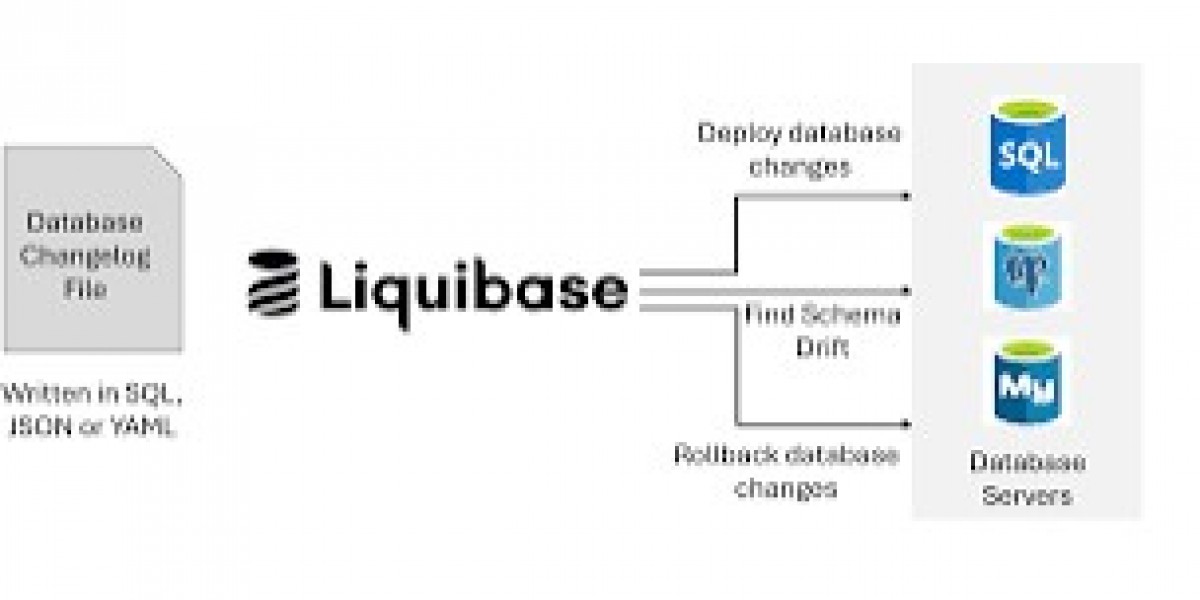
Database migration scripts should be maintained in version control alongside application code.
This makes it easier for development teams to track schema changes, review modifications, and understand the relationship between application versions and database structures.
Automated migration testing can also identify compatibility problems before production deployment.
Test Rollback Procedures Before Production
A rollback strategy should never depend on assumptions. Development teams should test application deployment and recovery procedures in staging environments.
Testing should cover:
- Previous application version compatibility
- Database schema dependencies
- Data preservation
- Migration failure scenarios
- Application configuration recovery
- Database restoration procedures
These checks help identify potential problems before they affect production systems.
Professional Database Migration and Deployment Services
Managing database changes requires expertise in database architecture, application development, version control, and deployment automation.
Professional software development teams can design migration strategies that reduce deployment risks and improve system reliability.
Build Safer Applications with Rollback-Friendly Database Design
Database schema changes that allow application rollback help businesses maintain operational stability during software updates.
By using backward-compatible migrations, tested recovery procedures, and version-controlled database changes, organizations can make application deployments more predictable.
Invest in professional database migration and software deployment services to protect business data and support reliable application development.



