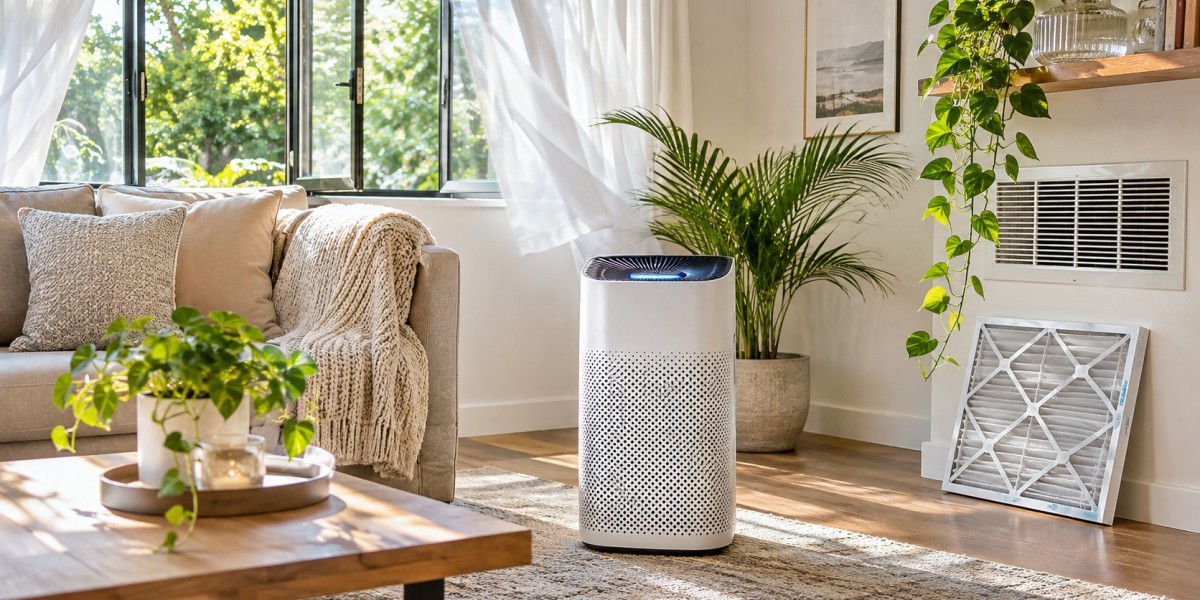

Most homes have one room that carries the whole day, and it is usually the lounge. It is where the family gathers in the evening, where guests are welcomed, and where quiet hours are spent with a book or a screen. When that room feels tired, the whole house feels tired with it.
The good news is that a lounge rarely needs a full rebuild to feel new again. Small changes to layout, light and texture often do more than one expensive piece of furniture. This guide walks through the order that works best, starting with the bones of the room and ending with the small touches.
Start With the Layout
Before buying anything, look at how people move through the room. Walk from the door to the window and from the sofa to the kitchen, and notice where you have to squeeze past furniture. A clear path of about one metre makes the room feel calm, while blocked paths make even a large lounge feel cramped.
Push the biggest pieces against the walls only if the room is small. In a larger room, pulling the sofa away from the wall and placing a rug under the front legs creates a settled zone that feels planned rather than pushed aside. Leave a little breathing space around each piece so the eye can rest between them.
Seat Around a Focal Point
Every lounge needs one point the seating turns toward. It might be a fireplace, a window with a good view, a television, or even a large piece of art. Once that point is fixed, arrange the sofa and chairs so everyone seated can see it without turning their body at an angle.
Comfort matters more than matching sets. A deep sofa with firm chairs often works better than three identical pieces, because people choose seats by mood. Add one chair that can move easily, and the room adapts to guests, games and quiet reading alike.
Keep seats close enough for conversation. If people must raise their voices across the room, the grouping is too wide. A small table within reach of each seat saves the floor from cups and books and keeps the space feeling cared for.
Layer the Lighting for Day and Night
A single ceiling light flattens a room and makes every corner look the same. Rooms that feel warm use layers instead. One source washes the whole space, lamps light the corners and the seats, and a soft source near the focal point draws the eye where you want it.
Use natural light as the base layer during the day. Sheer curtains soften harsh sun while keeping the room bright, and mirrors placed across from a window carry light into darker corners. Keep tall furniture away from windows so it does not steal the light the room already has.
In the evening, warm bulbs make colours look richer and skin look softer. Put lamps at the height of a seated person so the light falls on faces and pages rather than the ceiling. Two or three lamps on different walls will always beat one bright light in the middle.
Choose Colour With Light and Size in Mind
Colour sets the mood before any furniture is noticed. Light shades make a small lounge feel open, while deep shades make a large room feel close and calm. Neither is better, and the right choice depends on the size of the room and the direction its windows face.
Rooms that face away from the sun can look grey by midday, so warm whites and soft creams keep them friendly. Rooms flooded with sun can carry cooler tones without feeling cold. Guides that gather lounge interior ideas in one place can help you compare palettes against real rooms before you commit to a tin of paint.
Test colour on the wall, not on a card. Paint a square of about half a metre on two different walls and live with it for a full day. Morning light and evening lamplight can make the same shade look like two different colours.
Mix Textures and Soft Furnishings
A room with one texture feels flat even when the colour is right. Mix smooth and rough, soft and firm. A woven throw over a leather sofa, a wool rug on a wooden floor, and linen cushions beside velvet ones give the eye small changes to enjoy as it moves around the room.
Curtains do quiet work in a lounge. Long curtains hung close to the ceiling make walls look taller, and heavy fabric softens echo in rooms with hard floors. Choose a fabric that falls well and a length that just touches the floor for the calmest result.
Cushions and throws are the fastest way to change the season of a room. Light cotton in summer and thick knits in winter keep the same furniture feeling fresh all year. Keep the palette tight, with two or three colours repeated, so the mix looks chosen rather than gathered by chance.
Storage and Finishing Touches
Clutter undoes good design faster than anything else. Closed storage hides the everyday mess of remotes, chargers, toys and paperwork, while open shelves should hold only what earns its place. A cabinet with doors, baskets that match, and a lidded box on the table can clear a room in minutes.
Wall art should hang at the eye height of a seated person in a lounge, which is lower than most people expect. One large piece often calms a wall better than many small frames. Leave space around art so each piece can be seen on its own terms.
Plants finish a room the way nothing else can. One tall plant fills an empty corner, and small pots soften shelves and window sills. Choose plants that suit the light you actually have, and the room will reward you with colour that changes gently through the year.



