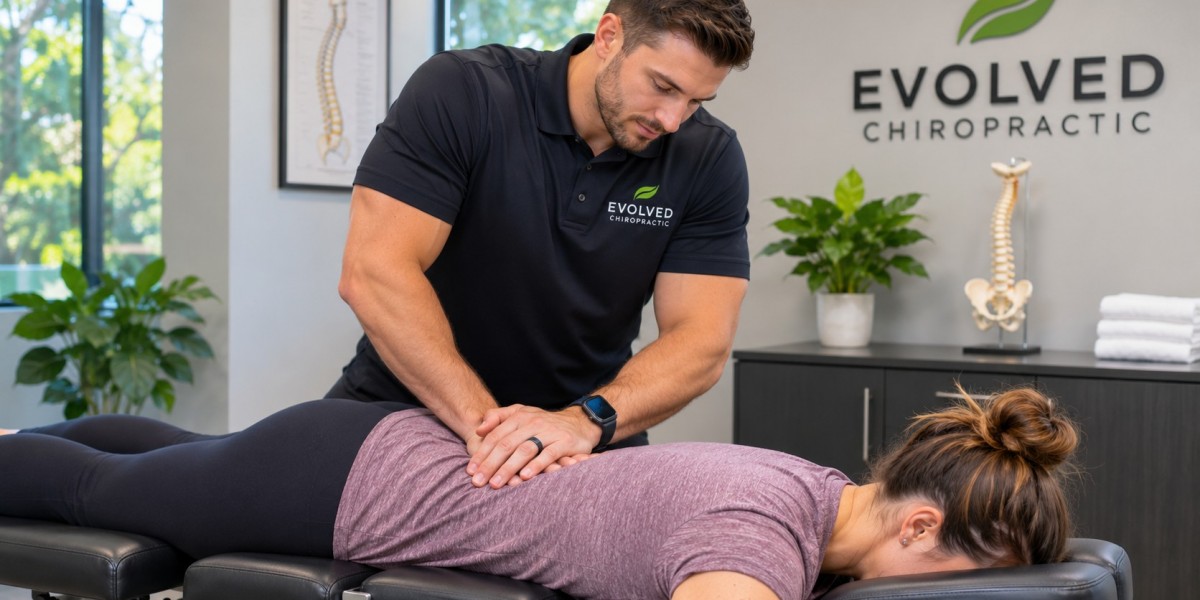

One question I hear again and again from parents, grandparents and expecting moms is some version of this: "Is chiropractic care safe for someone like me?" A mom-to-be wonders about her growing belly. A grandparent worries about fragile bones. A parent wants to know whether their child's adjustment will look anything like their own.
Those are smart questions. And the answer often comes down to technique. The way a chiropractor adjusts a 30-year-old weightlifter should be very different from the way they care for a newborn, a woman in her third trimester or a 75-year-old with arthritis.
In this post I want to walk through how chiropractic adjustment techniques in Oak Creek can be matched to different life stages. I will use Evolved Chiropractic as a real-world example, because its page on chiropractic adjustment techniques in Oak Creek, WI describes four methods and the kinds of patients each one tends to suit, from newborns to seniors. My goal is to help you walk into a family visit knowing what to ask and what to expect.
Why Life Stage Changes the Approach
Bodies change a lot across a lifetime. Bones grow and harden through childhood. Hormones in pregnancy loosen ligaments and shift posture. Athletes put repeated, specific stress on certain joints. And in later decades, bone density, joint wear and overall health can change what is comfortable and safe.
A single technique cannot fit all of those situations. That is why many practices offer a range of methods, from hands-on manual adjustments to low-force instruments and gentle soft-tissue release.
The four approaches described by the clinic I am referencing are:
- Diversified Technique, including the Motion Specific Technique: hands-on adjustments paired with motion assessment
- Drop Table Technique: a table with spring-loaded sections that allows a lighter touch
- Activator Method: a handheld instrument that delivers a low-force impulse
- Neuro-Muscular Fascial Release (NMFR): gentle release of restricted fascia, used primarily with children at this practice
Let us look at how these might line up with each stage of life.
How Common Is Chiropractic Care?
Before getting into life stages, it helps to know how many people actually use this kind of care. According to the National Center for Complementary and Integrative Health, 11.0% of U.S. adults received chiropractic care in the past year in 2022, up from 7.4% in 2002. For children ages 4 to 17, the most recent data shows 3.4% used chiropractic care in 2017.
The same NCCIH page on spinal manipulation safety and use explains that spinal manipulation involves a practitioner using their hands or a device to apply a controlled thrust to a spinal joint. That "hands or a device" detail matters a lot for families, because it is exactly why lower-force, instrument-based options exist.
Babies and Young Children
What Parents Usually Worry About
For most parents, the biggest fear is simple: "I don't want anyone cracking my baby's spine." That is a completely reasonable concern, and it is worth saying clearly that pediatric chiropractic care, when done appropriately, looks nothing like an adult adjustment.
Techniques Often Used
At the clinic I am referencing, the two techniques most associated with young patients are:
- NMFR: The page says it is primarily used for pediatric patients, releasing restricted fascia to support natural movement and neurological balance. It involves gentle, sustained contact rather than any quick thrust.
- Activator Method: The page presents it as suitable for pediatric patients because it delivers a precise, low-force impulse with no twisting or manual thrust.
What a Visit Might Look Like
A pediatric visit typically starts with a detailed conversation with the parent: birth history, feeding, sleep, milestones and any specific concerns. Hands-on work, if appropriate, is gentle and brief. Parents usually stay right with their child.
Important Cautions for Parents
- Your child's pediatrician should remain your main medical partner. Chiropractic care should complement, not replace, regular medical checkups and vaccinations.
- If your child has a fever, unexplained weight loss, severe pain, weakness, or any sign of serious illness, see a medical doctor promptly.
- Ask the chiropractor to explain exactly what they will do and why, and do not hesitate to say no to anything you are not comfortable with.
The clinic I am referencing also offers dedicated pediatric chiropractic care as part of its family services, and the same principles apply: gentle methods, clear communication and coordination with your child's doctor.
Teens and Young Athletes
Common Concerns
Teens often deal with posture strain from phones, laptops and heavy backpacks, plus the physical demands of school sports. Busy schedules, growth spurts and long hours of sitting in class can add up to stiffness and tension that many teens simply learn to ignore.
Techniques Often Used
Depending on age, size, comfort and the issue being addressed, chiropractors may use:
- Lower-force options like the Activator for younger or more sensitive teens
- Diversified or Motion Specific adjustments for older teens with mobility restrictions
- Drop Table for low back or pelvic concerns
Tips for Families
- Ask the chiropractor to explain how they will adapt techniques for a growing body.
- Combine care with smart training habits: warm-ups, rest days and strength work.
- Watch for red flags like persistent pain, numbness or weakness, and see a physician if they appear.
Pregnancy
Why Pregnancy Changes Things
During pregnancy, the body changes quickly. The growing belly shifts the center of gravity, the lower back often curves more, and hormones loosen ligaments in preparation for birth. Many expecting moms notice low back, hip and pelvic discomfort as these changes add up.
Techniques Often Used
The clinic I am referencing presents the Activator Method as suitable for prenatal patients because it uses a controlled, low-force impulse without twisting. The Drop Table Technique, which uses minimal twisting and pressure and is described as useful for pelvic and lumbar corrections, may also be considered. Practices that care for pregnant patients often use specialized tables or cushions so the mom-to-be can lie comfortably without pressure on her belly.
What the Research Says About Safety
The NCCIH notes that serious adverse events during pregnancy are very rare, but also that there has been little rigorous research in this area. It recommends that pregnant patients discuss the risks and benefits with their provider. That is balanced advice I fully agree with.
Tips for Expecting Moms
- Tell your OB-GYN or midwife you are considering chiropractic care.
- Let your chiropractor know how far along you are and about any complications.
- Seek immediate medical care for bleeding, severe abdominal pain, sudden swelling, severe headache or decreased fetal movement. Those are not chiropractic issues.
Working Adults
Common Concerns
For many adults around Oak Creek, Franklin and South Milwaukee, the main sources of back and neck tension are desk work, long drives and physically demanding jobs. Stiffness, tension headaches and low back pain are common complaints.
Techniques Often Used
- Diversified and Motion Specific: often used for stiffness and posture-related tension. The clinic I am referencing says many patients find Motion Specific more comfortable.
- Drop Table: a good fit for low back pain, especially when combined with spinal decompression, as the clinic's page notes.
- Activator: for anyone who prefers a lower-force approach.
Tips for Working Adults
- Take movement breaks every 30 to 45 minutes when sitting.
- Set up your workstation so your screen is near eye level and your lower back is supported.
- Ask your chiropractor for a few simple stretches you can do at work.
Athletes and Active Adults
Common Concerns
Athletes and weekend warriors often deal with repetitive strain, reduced range of motion and the aches that come from training hard. Many are less worried about pain and more focused on moving well and recovering faster.
Techniques Often Used
- Diversified: The clinic's page lists better performance and increased range of motion among the benefits it associates with this approach.
- NMFR and soft-tissue work: The clinic describes NMFR as supporting flexibility and recovery.
- Activator: useful for extremity joints such as wrists, ankles and shoulders.
Tips for Athletes
- Share your sport and training schedule so your chiropractor can tailor care.
- Pair adjustments with mobility work, strength training and good recovery habits.
- See a sports medicine physician for acute injuries, significant swelling or suspected fractures.
Seniors
Common Concerns
Older adults often deal with stiffness, arthritis-related pain, balance concerns and changes in bone density. Many are understandably cautious about anything that involves force on the spine.
Techniques Often Used
The clinic I am referencing presents the Activator Method as suitable for senior patients, with no manual thrust or twisting. The Drop Table, with its light touch and minimal twisting, may also be a comfortable choice. Traditional manual techniques may be modified or avoided depending on bone health and other conditions.
Safety Considerations for Seniors
- Tell your chiropractor about osteoporosis, past fractures, joint replacements, spinal surgeries and blood-thinning medications.
- The NCCIH notes that risk may be higher for people with underlying health problems, and that practitioners should assess patients thoroughly.
- Keep your primary care doctor informed, especially if you have heart, bone or other chronic conditions.
Tips for Seniors
- Ask about balance and fall-prevention exercises to go along with your care.
- Start gently and let your chiropractor adjust as they learn how your body responds.
- Report any new numbness, weakness or dizziness right away.
A Family Approach to Chiropractic Care
One advantage of choosing a practice that offers several techniques is that the whole family can be seen in one place, with each person receiving care suited to their age and needs. The clinic I am referencing serves newborns, children, expecting mothers, athletes, seniors and families, and its family wellness chiropractic services in Oak Creek are built around that idea.
Family care also makes it easier to build healthy habits together: good posture, regular movement, healthy sleep and smart lifting.
Questions to Ask for Each Family Member
Before anyone in your family starts care, these questions help you understand the plan:
- Which technique will you use, and why is it right for this person's age and condition?
- How will you adjust the force for a child, a pregnant patient or an older adult?
- Is there anything in their health history that makes a technique unsafe?
- How will you coordinate with their doctor, pediatrician or OB-GYN?
- What side effects might they notice, and how long do they usually last?
- What should we watch for at home?
- How will we know if care is helping?
Possible Side Effects at Any Age
The NCCIH lists mild-to-moderate temporary side effects of spinal manipulation that can include increased pain or discomfort, stiffness or headache, most of which resolve within 24 hours. Serious side effects are very rare. For anyone in your family, report anything unusual or persistent to your chiropractor, and seek emergency care for sudden severe symptoms like one-sided weakness, trouble speaking, severe headache, or loss of bladder or bowel control.
After Baby: Postpartum Considerations
The postpartum period brings its own set of physical demands. Carrying a newborn, feeding in the same position for long stretches, lifting car seats and losing sleep can all add up to neck, mid-back and low back strain.
Techniques That Are Often Considered
Many of the same gentle options used during pregnancy can continue after birth, including the Activator Method and Drop Table Technique. As the body recovers, a chiropractor may gradually introduce other techniques if they are appropriate.
Practical Tips for New Parents
- Bring the baby to you during feeds instead of leaning down toward the baby.
- Use pillows to support your arms and back while feeding.
- Switch which side you carry the baby on.
- Lift the car seat close to your body, bending at the knees.
- Check with your OB-GYN or midwife before starting care, especially after a cesarean birth.
Preparing a Child for Their First Visit
Children often feel more relaxed when they know what to expect. A few small steps can help:
- Explain it simply. Tell them the chiropractor will gently check how their body moves.
- Visit at a good time of day. Avoid nap times or hungry times when possible.
- Bring comfort items. A favorite toy or blanket can help younger children feel safe.
- Stay close. Parents usually stay with their child throughout the visit.
- Let them ask questions. Older kids often feel better when they understand what is happening.
- Share their health history. Bring information about any conditions, medications and recent illnesses.
A good chiropractor will move at the child's pace and adapt or stop if the child is uncomfortable.
A Quick Reference by Life Stage
Here is a simple summary of how chiropractic adjustment techniques in Oak Creek, as described by the clinic I am referencing, tend to line up with different ages and needs:
- Newborns and young children: NMFR and the Activator Method, using gentle, low-force contact.
- Teens: lower-force options for younger or sensitive teens, and Diversified or Drop Table methods for older teens when appropriate.
- Pregnancy and postpartum: the Activator Method and Drop Table, with positioning that keeps mom comfortable.
- Working adults: Diversified and Motion Specific adjustments for stiffness, with Drop Table often used for low back pain.
- Athletes: Diversified adjustments, soft-tissue work and Activator adjustments for extremity joints.
- Seniors: the Activator Method and Drop Table, with careful attention to bone health and medications.
This is a general guide, not a rule. Your chiropractor will make the final choice based on a full assessment.
Scheduling Care for a Busy Family
When several family members are in care, logistics matter. Some practical ideas:
- Ask whether family members can be seen back to back to save trips.
- Keep a shared note on your phone listing each person's techniques, home exercises and next visit.
- Build home exercises into family routines, like a few stretches together after dinner.
- Plan visits around school, work and nap schedules to reduce stress.
The Evolved Chiropractic page lists office hours of Monday through Thursday, with morning and late afternoon blocks, which can make it easier for working parents to plan visits around the school day. Always confirm current hours directly with the office.
What Good Family Chiropractic Care Looks Like
Whether you are bringing one child or the whole household, these are the signs of a practice that takes family care seriously:
- Every family member gets their own assessment, not a one-size-fits-all plan.
- Techniques are explained in age-appropriate language.
- Force is adapted for children, pregnancy and older adults.
- The chiropractor coordinates with pediatricians, OB-GYNs and primary care doctors when needed.
- Parents and patients are encouraged to ask questions and set boundaries.
If a practice offers chiropractic adjustment techniques in Oak Creek for every age but treats every patient the same way, keep looking.
Grandparents Caring for Grandkids
More and more grandparents help with childcare, and that can be surprisingly hard on the body. Lifting toddlers in and out of car seats, carrying them on one hip, bending to pick up toys and getting down on the floor to play all add up, especially for joints that are already a little stiff.
If you are a grandparent in this role, it is worth telling your chiropractor exactly what a typical day looks like. They may suggest:
- Gentle, low-force adjustments that suit your bone health and comfort
- Simple strengthening exercises for your legs and core
- Lifting strategies, like squatting with the child close to your body
- Using furniture or a step stool so the child comes up to you, rather than you bending down to them
Bringing a grandchild to the same practice can also be a nice way to share healthy habits across generations.
Signs Care Is Helping Your Family
How do you know whether chiropractic adjustment techniques in Oak Creek are actually helping the people you love? Look for practical, everyday changes rather than dramatic overnight results:
- Easier movement getting in and out of the car or out of bed
- Fewer complaints of stiffness after school, work or practice
- Better comfort during pregnancy activities like walking or sleeping
- More confidence for older family members moving around the house
- Children and teens returning to sports or play comfortably
If you are not seeing progress after a reasonable trial, ask your chiropractor to review the plan, try a different technique, or refer you to another provider.
My Honest Take
The idea that chiropractic care is one forceful technique applied to everyone is outdated. Modern practices that offer chiropractic adjustment techniques in Oak Creek, like the one I have been referencing, use a range of methods so a newborn, an expecting mom, a teenage athlete and a grandparent can each receive care that matches their body.
What makes the difference, in my experience, is the conversation before any hands-on work. A good chiropractor asks about the whole person, explains the chosen technique in plain words, adapts the force to the patient, and works alongside other healthcare providers. If you find that, you can feel much more confident bringing your family through the door.
I would add one more thing. Families change. A child grows, a pregnancy ends, a parent gets older, a teen picks up a new sport. Your family's care should change with them. Revisit each person's plan every so often and ask whether the technique still fits. A practice that offers several approaches can shift from an instrument to a table, or from soft-tissue work to a manual adjustment, as each person's body and needs evolve. That flexibility is one of the most practical reasons to choose a family practice with a range of techniques rather than a single method. It also means you are not starting over with someone new every time a family member's situation changes, which makes care feel more consistent and more personal.
Frequently Asked Questions
1. Which chiropractic adjustment techniques in Oak Creek are used for children?
At the Oak Creek practice referenced here, Neuro-Muscular Fascial Release is primarily used for pediatric patients, and the Activator Method is presented as suitable for children because it uses a low-force impulse without twisting.
2. Is chiropractic care safe during pregnancy?
The NCCIH notes that serious adverse events during pregnancy are very rare, but research is limited. Talk with your OB-GYN or midwife and your chiropractor about the risks and benefits before starting.
3. What technique is gentlest for seniors?
The Activator Method and Drop Table Technique are generally lower-force options. Your chiropractor will consider bone density, past surgeries and medications before choosing a technique.
4. Can athletes benefit from chiropractic adjustments?
Many athletes use chiropractic care to support mobility and recovery. Techniques like Diversified adjustments and soft-tissue work are often combined with strength, mobility and recovery habits.
5. How common is chiropractic care in the U.S.?
According to NCCIH, 11.0% of U.S. adults received chiropractic care in the past year in 2022, and 3.4% of children ages 4 to 17 used it in 2017.
6. Will my child's adjustment feel like an adult adjustment?
No. Pediatric care typically uses gentle contact, light pressure or low-force instruments rather than the quick manual thrust often used for adults.
7. Should I tell my doctor I am seeing a chiropractor?
Yes. Keeping your pediatrician, OB-GYN or primary care doctor informed helps coordinate care, especially if you or your family member has other health conditions.
8. What side effects should we watch for?
Temporary soreness, stiffness or headache can happen and usually resolve within about a day. Report anything persistent, and seek emergency care for sudden severe symptoms.
9. Can the whole family see the same chiropractor?
Yes. Practices that offer several techniques can adapt care for each family member's age, size and health needs in one place.
10. How do I know which technique is right for each family member?
Your chiropractor will consider age, health history, condition, comfort level and goals. Ask them to explain why a specific technique was chosen for each person.
Final Thoughts
From a newborn's first gentle visit to a grandparent's careful, low-force adjustment, chiropractic care can look very different across a lifetime. That variety is a strength. It means each person can receive an approach that fits their body and stage of life.
If you are exploring chiropractic adjustment techniques in Oak Creek for yourself or your family, start with a thorough conversation, ask how techniques will be adapted, and keep your other healthcare providers in the loop. Good care meets you where you are, at every age. Whether you are booking a first visit for a newborn, planning gentle care during pregnancy, keeping an athlete moving or helping a parent stay active, the right technique and an honest conversation make all the difference for everyone involved. Start with one conversation, and let the plan grow from there as your family's needs change.



