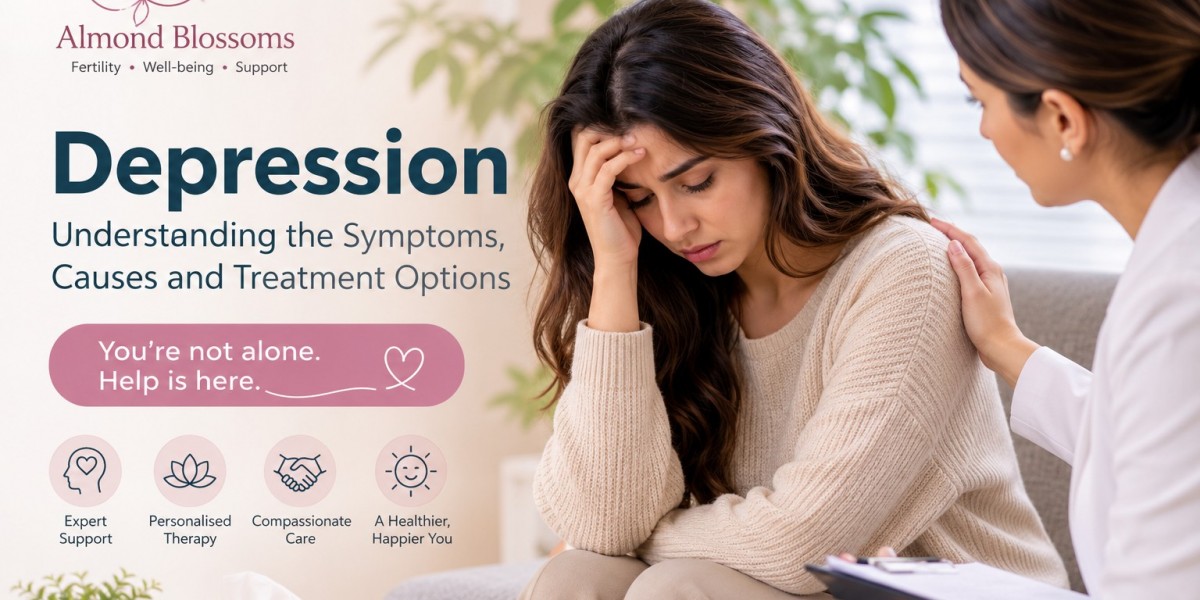

Depression, also known as depressive disorder, is a mental health condition characterised Depression is more than just feeling sad or having a difficult day. It is a common mental health condition that can affect how a person thinks, feels, behaves and manages everyday life. From persistent sadness and emotional exhaustion to losing interest in activities that once brought happiness, depression can impact almost every aspect of a person's well-being.
Although depression can feel overwhelming, it is treatable. With the right professional guidance, psychological support and appropriate treatment, individuals can learn to manage their symptoms and improve their quality of life.
At Almond Blossoms Well-being Centre in Dubai, we understand that every person's mental health journey is different. Our multidisciplinary team provides compassionate, evidence-based mental health support to help individuals navigate emotional challenges in a safe and supportive environment.
In this guide, we explore what depression is, its common symptoms, possible causes, available treatments and when to seek professional help.
What Is Depression?by persistent sadness, low mood or a loss of interest and pleasure in activities.
Unlike temporary sadness, which is a normal response to life's challenges, depression can continue for weeks or months and interfere with daily responsibilities, relationships, work and personal well-being.
Depression can affect anyone, regardless of age, gender, background or lifestyle. It may develop following stressful life events, personal difficulties or without an obvious trigger.
According to the World Health Organization (WHO), depression is a common mental disorder affecting millions of people worldwide.
It is important to understand that depression is not a personal weakness or a lack of motivation. It is a genuine health condition that deserves understanding, attention and appropriate care.
What Are the Common Symptoms of Depression?
Depression can affect people differently. Some individuals experience emotional symptoms, while others notice physical or behavioural changes.
Recognising the symptoms early can help individuals seek appropriate professional support.
1. Persistent Sadness or Low Mood
One of the most recognised symptoms of depression is feeling sad, empty or emotionally overwhelmed for extended periods.
These feelings may occur without an obvious reason and can make everyday activities feel difficult.
2. Loss of Interest in Everyday Activities
People experiencing depression may lose interest in hobbies, social activities, relationships or things they previously enjoyed.
Activities that once brought happiness may no longer feel rewarding.
3. Changes in Sleep Patterns
Depression can affect sleeping habits. Some individuals experience insomnia or difficulty falling asleep, while others sleep excessively but still feel tired.
4. Constant Fatigue and Low Energy
Feeling exhausted despite getting enough rest can be another sign of depression.
Even simple daily responsibilities, such as getting dressed, preparing meals or completing work, may feel overwhelming.
5. Difficulty Concentrating
Depression can affect memory, concentration and decision-making.
Individuals may struggle to focus at work, remember important information or complete everyday tasks.
6. Feelings of Guilt or Worthlessness
Some people experiencing depression develop persistent negative thoughts about themselves.
They may feel guilty, hopeless or believe they are not good enough, even when there is no clear reason to feel this way.
7. Changes in Appetite and Weight
Depression can influence eating habits. Some people lose their appetite, while others may eat more than usual.
These changes can sometimes lead to noticeable weight fluctuations.
8. Social Withdrawal
Individuals experiencing depression may avoid social gatherings, withdraw from friends and family or find it difficult to communicate their feelings.
This isolation can make emotional difficulties even harder to manage.
Important: Experiencing one or more of these symptoms does not automatically mean someone has depression. A qualified mental health professional can assess symptoms and determine whether treatment is appropriate.
What Causes Depression?
There is no single cause of depression. It can develop through a combination of biological, psychological, social and environmental factors.
Some common contributing factors include:
Biological Factors
Genetic vulnerability, changes in brain functioning and certain medical conditions may contribute to the development of depression.
Having a family history of depression can increase a person's risk, although it does not mean they will necessarily develop the condition.
Stressful Life Events
Difficult experiences can affect emotional well-being and contribute to depression.
Examples include:
Losing a loved one.
Divorce or relationship difficulties.
Financial challenges.
Workplace pressure.
Major life transitions.
Traumatic experiences.
Hormonal Changes
Hormonal fluctuations associated with pregnancy, childbirth, menopause and certain medical conditions may influence mood and emotional health.
Perinatal and postpartum depression are important examples that require appropriate professional attention.
Chronic Health Conditions
Living with a long-term medical condition, persistent pain or ongoing health challenges can affect mental well-being and increase vulnerability to depression.
Social Isolation
Limited social support, loneliness and difficulties maintaining meaningful relationships can contribute to emotional distress.
Understanding the possible contributing factors is an important part of developing an appropriate treatment plan.
What Are the Different Types of Depression?
Depression can present in different forms, and understanding these patterns can help healthcare professionals determine the most appropriate care.
Some recognised depressive conditions include:
Major Depressive Disorder (MDD): A condition involving persistent depressive symptoms that significantly affect daily functioning.
Persistent Depressive Disorder: A longer-lasting form of depression involving ongoing depressive symptoms.
Postpartum Depression: Depression that develops during pregnancy or following childbirth and may affect a parent's emotional well-being and daily functioning.
Seasonal Affective Disorder: A pattern of depressive symptoms associated with particular seasons, often during periods of reduced daylight.
Depression with Anxiety Symptoms: Some individuals experience symptoms of depression alongside anxiety, including excessive worry, restlessness and emotional tension.
A professional assessment is necessary to identify the type of depression and distinguish it from other mental health conditions, including bipolar disorder.
How Is Depression Diagnosed?
Diagnosing depression involves understanding a person's emotional experiences, symptoms, medical history and daily functioning.
A mental health professional may:
Discuss the duration and severity of symptoms.
Explore personal, family and medical history.
Understand how symptoms affect relationships, work and everyday responsibilities.
Assess sleep, appetite, energy and concentration.
Consider whether other physical or psychological conditions may be contributing to symptoms.
Depression is commonly assessed when symptoms persist for at least two weeks, although professional support can be beneficial even before this point.
There is no reason to wait until symptoms become severe before seeking help.
What Are the Treatment Options for Depression?
Depression is treatable, and the right approach depends on the individual's symptoms, circumstances and clinical needs.
Treatment may involve psychological therapy, psychiatric care, medication or a combination of approaches.
1. Psychotherapy
Psychotherapy, commonly known as talk therapy, helps individuals understand their emotions, identify unhelpful thought patterns and develop healthier coping strategies.
Some commonly used approaches include:
Cognitive Behavioural Therapy (CBT): Helps individuals recognise and change negative thinking patterns and behaviours that contribute to depressive symptoms.
Interpersonal Therapy (IPT): Focuses on improving relationships, communication and interpersonal difficulties that may affect emotional well-being.
Supportive Psychotherapy: Provides a safe environment to explore emotional challenges, strengthen coping skills and develop greater emotional resilience.
2. Psychiatric Assessment
A psychiatrist can assess the severity of depression, review relevant medical factors and recommend an appropriate treatment plan.
For some individuals, medication may be recommended depending on the nature and severity of their symptoms.
Antidepressants should only be taken under medical supervision. Individuals should never start, stop or change prescribed medication without consulting their healthcare provider.
3. Lifestyle and Self-Care Support
Healthy daily habits can complement professional depression treatment.
Helpful strategies may include:
Maintaining a regular sleep routine.
Engaging in physical activity.
Eating balanced and nutritious meals.
Staying connected with supportive people.
Practising relaxation techniques.
Establishing manageable daily goals.
These strategies are not replacements for professional treatment, particularly when depression is moderate or severe.
4. Ongoing Professional Support
Consistent follow-up appointments can help individuals monitor their progress, address new challenges and adjust their treatment plans when necessary.
Recovery is not always linear. Having continued professional support can make the process more manageable.
When Should You Seek Professional Help for Depression?
You should consider seeking professional support if you experience persistent sadness, loss of interest, emotional exhaustion or other symptoms that interfere with your everyday life.
Professional help is particularly important if:
Your symptoms continue for two weeks or longer.
You struggle to manage everyday responsibilities.
Your relationships are being affected.
You experience ongoing feelings of hopelessness or worthlessness.
You notice significant changes in sleep or appetite.
You experience thoughts of self-harm or suicide.
If you or someone you know is at immediate risk of self-harm or suicide, seek emergency medical assistance immediately rather than waiting for a routine appointment.
Seeking help is not a sign of weakness. It is an important step towards protecting your mental health.
Depression Treatment and Psychological Support in Dubai
Finding the right mental health support can make an important difference when navigating depression.
At Almond Blossoms Well-being Centre in Dubai, we believe that mental health care should be compassionate, confidential and centred around each individual's needs.
Our multidisciplinary team includes psychiatrists, psychologists, neuropsychologists and mental health professionals who provide personalised psychological care.
Our approach focuses on understanding the individual, identifying their emotional challenges and exploring appropriate evidence-based treatment options.
We also recognise that depression can sometimes occur alongside other life challenges, including:
Fertility-related emotional difficulties.
Relationship and marital concerns.
Work-related stress.
Anxiety and emotional distress.
Pregnancy and postpartum mental health challenges.
By considering the wider aspects of a person's life, we aim to provide supportive and comprehensive mental health care.
Whether you are experiencing persistent sadness, emotional exhaustion or difficulties managing everyday life, professional support can help you explore a path towards better well-being.
How Can You Support Someone Experiencing Depression?
Supporting someone with depression requires patience, understanding and empathy.
Here are some practical ways to help:
Listen without judgement: Give them space to express their feelings without dismissing their experiences.
Avoid minimising their emotions: Statements such as "just be positive" may make someone feel misunderstood.
Encourage professional support: Gently suggest speaking with a psychologist, psychiatrist or another qualified healthcare professional.
Stay connected: Regular communication and small gestures of care can help reduce feelings of isolation.
Be patient: Recovery takes time, and everyone's experience is different.
Remember that you do not have to manage another person's depression alone. Professional guidance can also help families and caregivers understand how to provide appropriate support.
Frequently Asked Questions About Depression
1. What is the main cause of depression?
There is no single cause of depression. It can develop through a combination of genetic, biological, psychological and environmental factors, including stressful life experiences and medical conditions.
2. How do I know if I have depression?
Persistent sadness, loss of interest, fatigue, sleep disturbances, difficulty concentrating and feelings of hopelessness can be signs of depression. A qualified mental health professional can assess your symptoms and provide an appropriate diagnosis.
3. Can depression be treated?
Yes. Depression is treatable. Psychological therapies, psychiatric care, medication when appropriate and supportive lifestyle changes can help individuals manage symptoms and improve their quality of life.
4. How long does depression last?
The duration varies from person to person. Some depressive episodes improve within months, while others may last longer or recur. Early assessment and appropriate treatment can support recovery.
5. Can therapy help with depression?
Yes. Evidence-based psychological therapies, including Cognitive Behavioural Therapy (CBT) and Interpersonal Therapy (IPT), can help individuals manage depressive symptoms and develop healthier coping strategies.
6. When should I see a psychologist for depression?
Consider consulting a psychologist if persistent sadness, emotional distress or other symptoms affect your daily life, relationships or ability to function. You do not need to wait until symptoms become severe.
7. Where can I get professional depression support in Dubai?
Almond Blossoms Well-being Centre in Dubai provides psychological and psychiatric support for individuals experiencing depression and other mental health concerns. You can contact the clinic to enquire about an appropriate consultation.
Take the First Step Towards Better Mental Health
Depression can make even the simplest parts of everyday life feel difficult, but you do not have to navigate these challenges alone.
With professional guidance, compassionate support and an appropriate treatment plan, it is possible to work towards improved emotional well-being.
At Almond Blossoms Well-being Centre, we are committed to providing a supportive environment where your mental health matters.
If you or someone you care about is experiencing symptoms of depression, consider reaching out to our team.
Your mental well-being deserves care, understanding and attention.
Book a consultation with Almond Blossoms in Dubai today and take the first step towards better mental health.
Website: https://almondblossoms.care/



