

Private flight rentals have emerged as a significant section of the aviation industry, offering unparalleled comfort, flexibility, and privateness for travelers. This text explores the evolution of private flight rentals, their current market dynamics, and the potential influence they have on the future of air journey.
Historical Context
The concept of private aviation dates back to the early 20th century, but it was not until after World Struggle II that private flight rentals started to realize traction. The put up-struggle economic boom noticed a rise in disposable revenue, which allowed extra individuals and companies to discover air journey options beyond industrial airways. Initially, private flights were predominantly utilized by rich individuals and companies for enterprise functions. The introduction of jet aircraft within the 1960s additional revolutionized the industry, making private flight rentals quicker and extra accessible.
Market Dynamics
At the moment, the private flight rental market is characterized by a various array of choices, including charter flights, fractional possession, and jet card programs. Charter flights permit prospects to rent an entire aircraft for a particular trip, offering complete control over the travel itinerary. Fractional possession, on the other hand, allows people to purchase a share of an aircraft, providing them with a set variety of flight hours yearly. Jet card packages provide a more flexible strategy, allowing prospects to purchase flight hours without the dedication of possession.
The market has additionally seen the rise of know-how-pushed platforms that facilitate private flight rentals. Corporations resembling JetSmarter, Blade, and Wheels Up have leveraged cellular applications and on-line platforms to simplify the booking course of, making private aviation more accessible to a broader viewers. This democratization of private flight rentals has led to an increase in demand, notably among youthful travelers in search of distinctive experiences.
Economic Impact
The economic affect of private flight rentals extends beyond the fast benefits to travelers. The trade helps thousands of jobs, from pilots and crew members to floor employees and upkeep technicians. Moreover, private aviation contributes significantly to native economies, particularly in regions with major airports. In response to the National Business Aviation Association (NBAA), enterprise aviation generates roughly $one hundred fifty billion in financial output annually in the United States alone.
Moreover, private flight rentals often result in increased tourism in remote areas, as travelers can access locations that will not be served by business airways. This influx of tourists can provide a substantial enhance to local businesses, together with lodges, restaurants, and recreational actions.
Environmental Considerations
Despite the financial benefits, private flight rentals face scrutiny relating to their environmental affect. The aviation trade is liable for a major portion of world greenhouse fuel emissions, and private flights are inclined to have a larger carbon footprint per passenger in comparison with industrial flights. Nonetheless, many corporations within the private aviation sector are more and more specializing in sustainability initiatives.
As an example, some operators are investing in additional gasoline-environment friendly aircraft and exploring alternative fuels to scale back their carbon emissions. Additionally, the usage of expertise to optimize flight routes can lead to lower gas consumption and emissions. The event of electric and hybrid aircraft is also on the horizon, promising a more sustainable future for private aviation.
Client Preferences and Tendencies
Client preferences within the private flight rental market are evolving, pushed by changing demographics and technological developments. Millennial and Technology Z travelers prioritize experiences over material possessions, resulting in a rising curiosity in private aviation as a technique of enhancing journey experiences. The need for customized and unique travel choices has prompted private flight companies to supply tailored services, equivalent to bespoke catering and customized itineraries.
Furthermore, the COVID-19 pandemic has accelerated the shift towards private flight rentals as travelers search safer and extra controlled environments. If you loved this information and you would such as to get even more details regarding Dallascarbtesting kindly visit the website. With issues over crowded airports and commercial flights, many people and businesses have turned to private aviation as a viable alternative. This trend is predicted to proceed submit-pandemic, as travelers prioritize health and security of their journey selections.

Challenges and Future Outlook
Despite its development, the private flight rental business faces several challenges. Regulatory hurdles, corresponding to air site visitors management congestion and restrictions on flight paths, can impact the efficiency and availability of private flights. Moreover, the high costs related to private aviation can deter potential customers, particularly those who may be keen on trying it for the primary time.
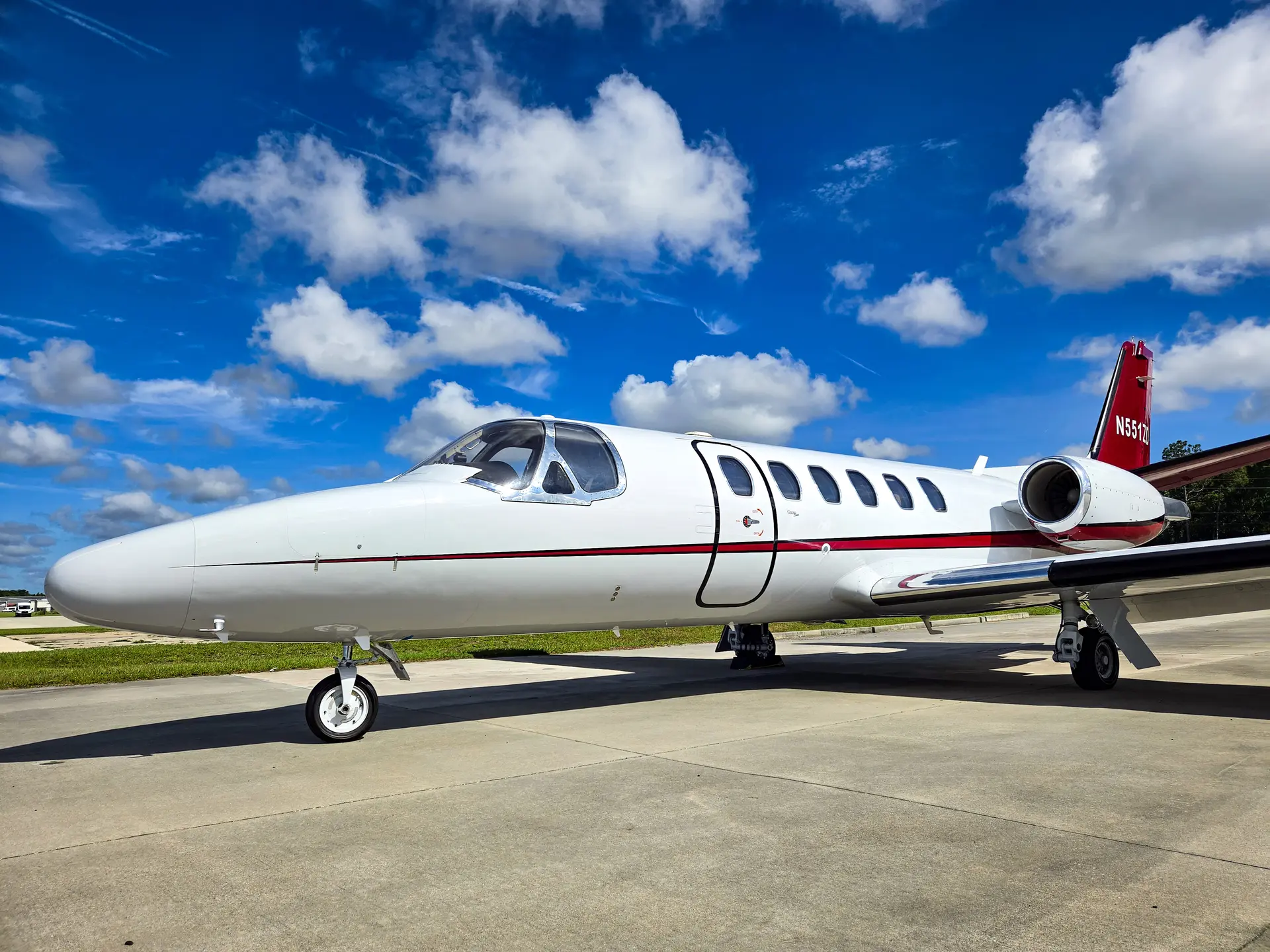
To address these challenges, the business must proceed to innovate and adapt. Emphasizing the worth proposition of private flight rentals, such as time savings and convenience, will probably be crucial in attracting new customers. Furthermore, ongoing investments in sustainability and know-how will play a significant function in shaping the future of private aviation.
Conclusion
Private flight rentals have come a long way since their inception, evolving into a dynamic and influential phase of the aviation trade. With a rising emphasis on comfort, personalization, and sustainability, the future of private flight rentals seems promising. As the industry continues to adapt to altering consumer preferences and technological developments, it has the potential to redefine the best way we think about air travel. The continuing evolution of private aviation won't solely impression affluent travelers however may additionally pave the way in which for a more inclusive and sustainable future in air travel, benefiting all stakeholders concerned.


