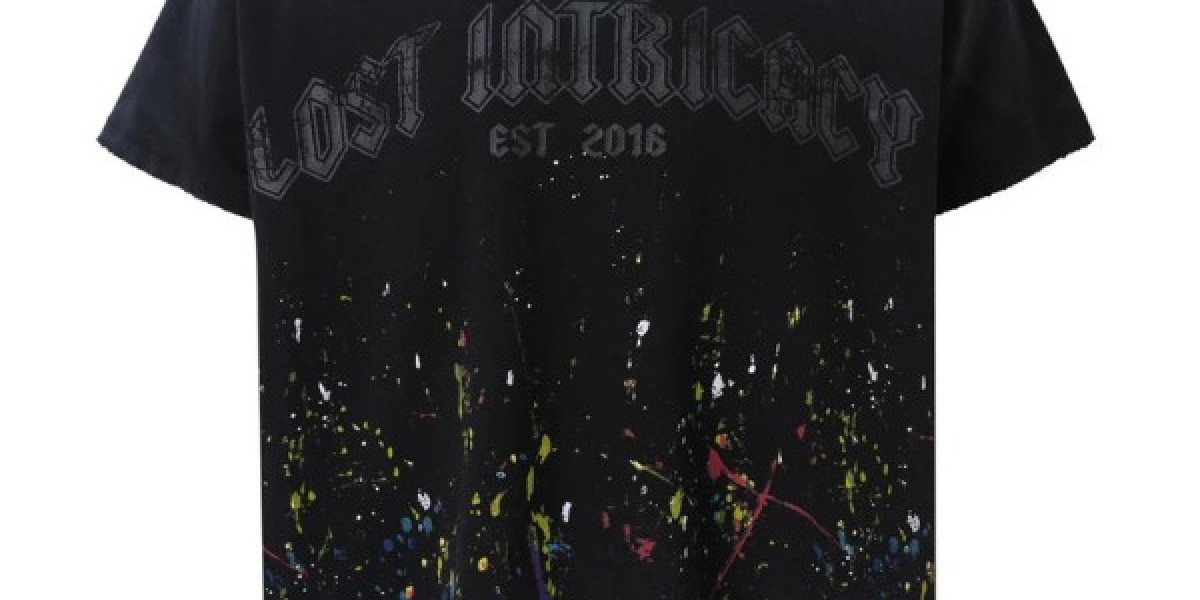

The Heavyweight Reality of Luxury Cotton Blanks
Evaluating luxury streetwear requires examining the core physical material, where substantial weight often signals superior structural integrity over basic fast-fashion alternatives. High-end garments consistently utilize single-jersey or French terry cotton ranging from three hundred to five hundred grams per square meter. This dense structural density prevents premature stretching around high-stress areas like shoulder seams, sleeve cuffs, and ribbed collar lines. Lower-grade cotton fibers frequently break down after minimal wear cycles, whereas combed ring-spun long-staple cotton maintains a smooth exterior surface. Premium textile construction directly impacts how well a silhouette retains its intended boxy profile throughout repeated daily usage. Investing in higher grammage fabrics ensures that minimalist wardrobe foundations preserve their structural shape rather than warping quickly. Ultimately, high-grade cotton fiber selection establishes the primary division between temporary trends and durable, long-lasting apparel investments. Lost intricacy
Print Mechanics and Graphics That Defy Aging
Screen printing methods utilized by high-end labels significantly outlast the fragile direct-to-garment processes favored by fast-fashion manufacturers. Plastisol, high-density puff, and discharge ink applications fuse directly into the textile fibers instead of sitting loosely atop the surface. This deeper chemical bonding prevents common print failures like surface cracking, peeling edges, or noticeable graphic fading over time. Precision curing techniques during production ensure that complex graphic details remain crisp and intact after many wash cycles. Minimalist aesthetics depend heavily on clean visual presentation, making any graphic degradation immediately visible and destructive to the garment. High-grade print applications survive friction and tension without fracturing, preserving the original artistic intent behind every detailed graphic artwork. Selecting garments crafted with superior print technology protects your initial investment from deteriorating into worn-out, unwearable aesthetic condition. Lost dress
Stitching Precision and Structural Garment Reinforcements
Structural integrity relies on advanced garment construction techniques that generic clothing manufacturers routinely skip to cut overall production costs. Double-needle cover-stitching along necklines, armholes, and bottom hems reinforces the seams against tension and frequent stretching motions. Taped necklines and reinforced shoulder seams prevent distortion, allowing the piece to retain its original tailored drape over time. Fast-fashion alternatives typically suffer from loose threads, unraveling cover-stitches, and warped collar bands after only a few laundry washes. High-density ribbing at the wrist cuffs and waistbands maintains elasticity, ensuring the garment continually snaps back into original shape. Superior seam construction directly extends the lifespan of daily essentials, protecting the clothing piece against typical structural wear-and-tear points. Choosing reinforced tailoring guarantees that your garment continues to fit precisely as originally intended throughout years of use. Lostintracy
Fabric Dyeing Methods and Wash Fastness Protection
Color retention serves as another critical indicator when determining whether luxury streetwear price points match their actual real-world utility. High-end labels employ advanced reactive dyeing techniques or garment-wash processes that bind pigment molecules firmly into the cotton matrix. Cheaply dyed textiles quickly lose their deep tonal saturation, resulting in faded blacks, muted neutrals, and uneven streak patterns. Premium pigment-dyeing methods intentionally create a controlled, subtle patina over years without compromising the underlying fabric's tensile strength. Superior dye fastness preserves the rich, clean appearance essential for maintaining a sleek, elevated minimalist streetwear aesthetic daily. Color-fast fabrics remain vibrant even after continuous exposure to sunlight, ambient moisture, and modern home laundry detergent formulas. Investing in color-fast garments prevents the frustrating cycle of replacing faded wardrobe staples every single season due to discoloration. Lost intricacy dress
True Cost Per Wear for Minimalist Wardrobes
Calculating the true financial value of luxury apparel requires looking past initial price tags toward long-term wearability metrics. A cheap thirty-dollar graphic tee often loses structural integrity, color, and fit within ten to fifteen laundry cycles. Conversely, a well-crafted two-hundred-dollar heavyweight tee retains its shape, graphic clarity, and comfort across hundreds of wearing occasions. Minimalist wardrobes prioritize versatile, high-performing essentials, making longevity far more valuable than constantly buying disposable temporary clothing items. High quality reduces overall textile consumption, directly aligning with intentional lifestyle choices and sustainable purchasing habits favored today. When a durable garment maintains its premium appearance over multiple years, its cost per wear drops significantly below disposable alternatives. High upfront costs yield substantial long-term value through extended product lifespans and superior overall aesthetic presentation throughout wear.
Identifying Modern Craftsmanship from Marketing Hype
Navigating the modern streetwear market requires separating real manufacturing quality from clever branding narrative tricks and inflated reseller prices. Premium garments always disclose complete material specifications, including exact cotton staple origin, knit construction, and fabric weight metrics. Authentic luxury pieces prioritize tactile weight, clean interior seam finishing, and substantial hardware components over massive exterior logo placements. Generic blanks disguised by high-margin markup tactics usually feel thin, exhibit weak stitching, and lack proper seam taping details. Knowledgeable consumers evaluate interior care labels, fabric hand-feel, and ribbing density before making any serious financial purchasing decisions. Recognizing genuine textile craftsmanship protects buyers from paying inflated prices for sub-par garments that fail prematurely in reality. True product value always reveals itself through physical construction details rather than aggressive social media marketing campaigns alone.
Practical Care Routines to Maximize Garment Longevity
Preserving high-grade streetwear requires implementing proper garment care protocols designed to protect specialized print methods and dense cotton fibers. Always wash heavyweight garments inside out using cold water cycles to minimize surface friction against other clothing items. Gentle, plant-based liquid detergents protect reactive dyes and prevent harsh chemical erosion of specialized high-density screen prints. Air drying on heavy-duty padded hangers prevents heat damage from tumble dryers, which shrinks cotton and cracks flexible graphics. Store thick hoodies flat on shelves to avoid stretching out heavy shoulder seams under the weight of wet textiles. Following attentive wash routines ensures that high-quality fabric structures and artwork retain their original showroom condition for decades. Proper maintenance ultimately unlocks the full physical lifecycle and aesthetic value engineered into well-constructed, premium streetwear pieces.



