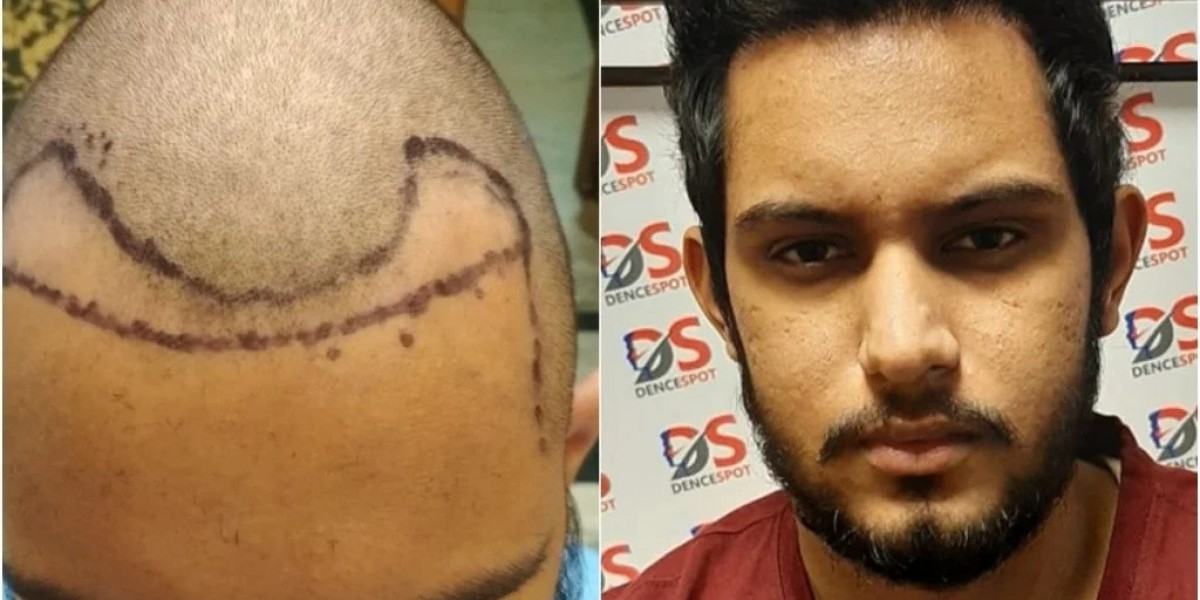

Hair loss is a common concern for both men and women. While occasional hair shedding is normal, progressive thinning, receding hairlines, and bald patches can become difficult to manage with regular hair-care products. For people experiencing permanent hair loss, hair transplantation can be a potential option for restoring hair coverage.
Hair Transplant in Gurgaon has become a popular search for people looking for professional hair restoration services in the region. Modern techniques focus on carefully transferring healthy hair follicles from a donor area to areas affected by thinning or baldness.
What Is a Hair Transplant?
A hair transplant is a surgical hair-restoration procedure that moves hair follicles from one part of the scalp to another. The back and sides of the head are commonly used as donor areas because follicles in these regions can be more resistant to pattern hair loss.
The transplanted follicles are placed according to a planned hairline and density pattern. Once established, they can produce new hair growth over time.
However, results depend on several factors, including the cause of hair loss, donor hair availability, scalp condition, age, genetics, and the treatment plan.
Why Do People Choose Hair Transplantation?
People consider hair transplantation for different reasons, such as:
- Receding hairlines
- Male or female pattern hair loss
- Thinning around the crown
- Bald patches caused by certain conditions
- Hair loss after some injuries or procedures
- Poor results from previous hair restoration procedures
A consultation is important because not every type of hair loss requires a transplant. A doctor may first identify whether the hair loss is temporary, progressive, or associated with another scalp condition.
Hair Transplant Techniques
Modern hair restoration can involve different techniques. The choice depends on the patient's hair characteristics and the doctor's assessment.
FUE
Follicular Unit Extraction, commonly known as FUE, involves removing individual follicular units from the donor area and implanting them into the recipient area.
One of its advantages is that it does not involve removing a linear strip of scalp.
FUT
Follicular Unit Transplantation involves removing a strip of donor scalp and separating it into individual follicular units for transplantation.
FUT can be suitable for selected patients, depending on their donor characteristics and treatment requirements.
DHI
Direct Hair Implantation uses a specialized implantation method to place extracted follicles into the recipient area. It may be considered when precise placement and control over implantation are important.
The technique should be selected according to the patient's condition rather than simply choosing the newest or most advertised option.
Who May Be Suitable for a Hair Transplant?
A person considering transplantation should undergo a professional assessment before treatment.
Doctors may evaluate:
- Hair-loss pattern
- Donor hair density
- Scalp condition
- Hair shaft characteristics
- Age
- Family history of hair loss
- Progression of hair loss
- Previous treatments
- Expectations regarding coverage
A stable donor area is particularly important because transplanted follicles need to come from a suitable source.
What Happens During a Hair Transplant?
The procedure generally follows several stages.
Consultation and Planning
The doctor examines the scalp and discusses your goals. The hairline and potential transplant areas are then planned.
Donor Area Preparation
The donor area is prepared according to the selected technique.
Follicle Extraction
Individual grafts or a donor strip may be obtained depending on the procedure.
Recipient Area Preparation
The recipient area is prepared for graft placement while considering the direction and angle of existing hair.
Graft Implantation
The harvested follicles are carefully placed into the planned areas.
Post-Procedure Care
After treatment, the clinic provides instructions for scalp cleaning, sleeping, medication, physical activity, and follow-up appointments.
Recovery After Hair Transplant
Recovery differs from one person to another. Temporary redness, swelling, sensitivity, or small scabs may appear after the procedure.
Patients should follow their doctor's instructions carefully during the healing period. Activities such as intense exercise or swimming may need to be restricted temporarily.
Some transplanted hairs may shed during the early months. This can be part of the normal hair-growth cycle following transplantation.
How Long Does Hair Growth Take?
Hair transplantation is not an instant solution. New growth develops gradually.
A general timeline can include:
First few weeks: The scalp begins healing, and temporary shedding may occur.
1–3 months: Early stages of new hair growth may begin.
3–6 months: Hair growth can become increasingly visible.
6–12 months: Density and coverage generally continue developing.
12 months or longer: The overall outcome becomes easier to assess.
Individual results can vary, so your doctor should provide expectations based on your specific treatment.
Hair Transplant Cost in Gurgaon
The cost of a hair transplant can vary from patient to patient. Clinics may calculate charges based on graft numbers, technique, doctor experience, facilities, and treatment complexity.
Factors that can affect the total cost include:
- Number of grafts required
- Type of transplant technique
- Extent of hair loss
- Doctor's experience
- Clinic facilities
- Number of sessions
- Post-treatment services
A consultation is the best way to understand the estimated treatment requirements and total cost.
How to Select a Hair Transplant Provider
Choosing a hair restoration provider requires careful consideration. Before booking treatment, research the doctor's qualifications and experience and understand who will actually perform the procedure.
You can also ask about:
- The recommended technique
- Estimated graft requirement
- Donor-area condition
- Expected results
- Recovery period
- Possible complications
- Follow-up arrangements
- Total treatment cost
Before-and-after photographs can also help you understand the type of results the clinic has achieved in previous cases, although individual outcomes can differ.
Maintaining Hair After Treatment
A transplant does not necessarily stop future hair loss in non-transplanted areas. Depending on the cause of hair loss, a doctor may recommend ongoing treatment or monitoring.
Maintaining scalp health, following medical advice, eating a balanced diet, and attending recommended follow-up appointments can support overall hair and scalp care.
Frequently Asked Questions
Is a hair transplant permanent?
Transplanted follicles can provide long-term hair growth, but results vary. Existing non-transplanted hair may continue to thin depending on the underlying cause of hair loss.
Is hair transplantation painful?
The procedure is generally performed using local anesthesia. Some discomfort or sensitivity may occur during the recovery period.
How many grafts are required?
The number depends on the size of the affected area, donor density, hair characteristics, and desired coverage.
Can women undergo a hair transplant?
Yes. Some women with suitable types of hair loss may be candidates. A professional evaluation is necessary to determine whether transplantation is appropriate.
When should I consult a specialist?
If hair loss is persistent, rapidly progressing, or accompanied by scalp symptoms, a professional assessment can help determine the underlying cause and appropriate treatment options.
Conclusion
Hair restoration can be an important decision, and understanding the procedure before treatment is essential. Hair Transplant in Gurgaon can involve different techniques, treatment plans, and recovery timelines depending on the individual's hair-loss pattern and donor hair availability.
Rather than selecting a treatment based only on cost or promotional claims, consider the doctor's qualifications, treatment approach, expected results, aftercare, and overall suitability. A detailed consultation can help you understand whether hair transplantation is appropriate for your specific situation.



