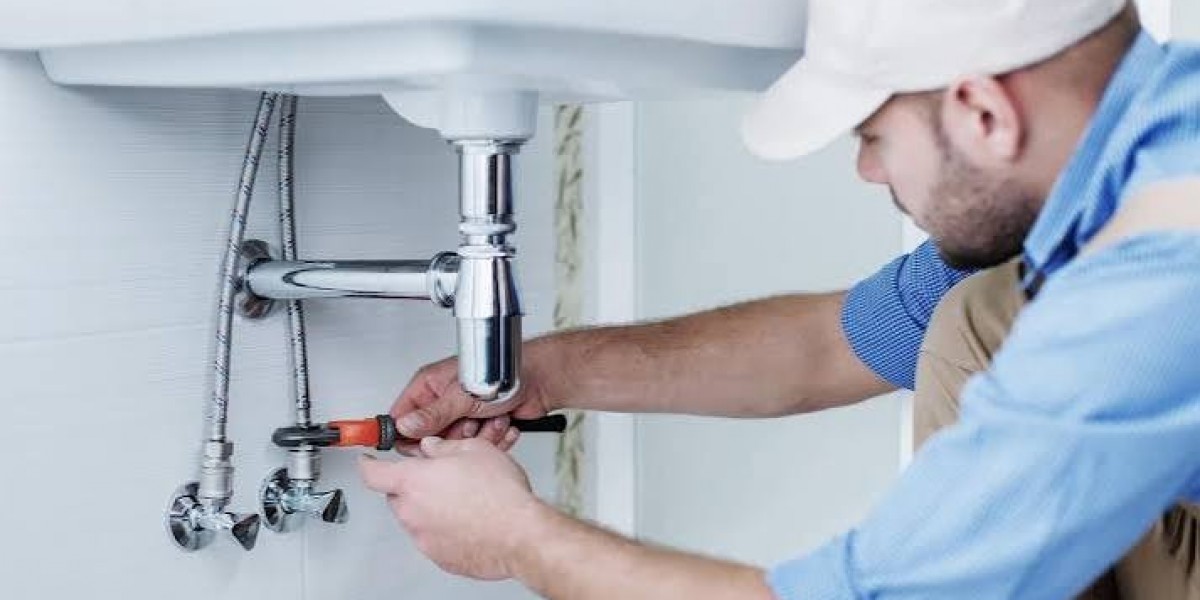

Residential Plumbing Services: What Homeowners Need
Plumbing is one of the most important systems in any home, yet it often receives attention only after something goes wrong. A dripping faucet, slow drain, low water pressure, leaking pipe, or backed-up sewer can quickly interfere with daily routines and potentially cause property damage. Understanding residential plumbing services can help homeowners recognize problems earlier and know when professional assistance is appropriate.
Home plumbing services cover much more than emergency repairs. They can include drain cleaning, leak detection, sewer work, pipe repairs, installations, maintenance, and other solutions designed to keep a household plumbing system functioning properly. This guide explains common residential plumbing needs, warning signs to watch for, the value of professional help, and practical ways homeowners can maintain their plumbing systems.
What Are Residential Plumbing Services?

Residential plumbing services are professional services focused on the plumbing systems found in houses, apartments, and other residential properties. These systems typically include water supply lines, drains, fixtures, pipes, sewer connections, and equipment that supports everyday water use.
A residential plumbing company may assist with both routine problems and urgent situations. Depending on the issue, a homeowner might need a simple repair, detailed inspection, replacement of a damaged component, or a larger plumbing solution.
Common services can include:
- Plumbing repairs
- Drain cleaning
- Leak detection and repair
- Sewer line services
- Pipe installation and repair
- Water heater services
- Emergency plumbing
- Fixture-related repairs
- Preventive maintenance
The right service depends on the cause, location, and severity of the plumbing problem.
Common Problems That Require Home Plumbing Services
Plumbing problems can develop gradually or appear without warning. Knowing the common signs can help homeowners respond before a minor issue becomes more disruptive.
Leaking Pipes and Fixtures
Leaks can occur around faucets, toilets, supply lines, exposed pipes, or connections. Even a small leak should not automatically be ignored. Persistent moisture can contribute to staining, material deterioration, or other damage around the affected area.
If a leak is difficult to locate, professional leak detection may help identify its source.
Clogged and Slow Drains
A slow drain often indicates an obstruction caused by hair, grease, soap buildup, food particles, or other debris. While a minor blockage may sometimes be resolved with basic household methods, recurring or widespread drainage problems can indicate a deeper issue.
Professional drain cleaning can help address stubborn blockages and restore proper water flow.
Low Water Pressure
Low water pressure can make showers, faucets, and other fixtures frustrating to use. The cause may involve a fixture, supply line, buildup, or another plumbing-system issue.
A residential plumbing contractor can inspect the system and determine whether the problem is isolated or affecting multiple areas of the home.
Sewer Backups and Drainage Problems
Sewer problems require prompt attention because they can affect sanitation and cause significant disruption. Recurring backups, unusual odors, slow drains throughout the home, or wastewater returning through fixtures may indicate a sewer-related problem.
Professional inspection can help determine what is causing the blockage or drainage issue.
Why Professional Residential Plumbing Specialists Matter
Some homeowners prefer handling simple plumbing tasks themselves, but not every problem is suitable for DIY repair. Plumbing systems can contain interconnected components, and an incorrect repair can sometimes create additional problems.
Accurate Problem Diagnosis
A professional plumber can evaluate symptoms and inspect the affected plumbing system to determine the likely cause. Proper diagnosis matters because fixing only the visible symptom may not address the underlying issue.
For example, repeatedly clearing a drain may provide temporary relief if the actual problem is deeper within the drainage or sewer system.
Proper Repairs
Professional home plumbers can use appropriate methods and equipment for different plumbing situations. This can be especially important when dealing with hidden leaks, damaged pipes, sewer problems, or recurring blockages.
Safety Considerations
Certain plumbing systems require careful handling. Natural gas lines, major leaks, contaminated wastewater, and significant water damage can present safety concerns. Homeowners should avoid taking unnecessary risks when a problem requires professional assessment.
Residential Plumbing Maintenance: Prevent Problems Before They Grow
Regular residential plumbing maintenance can help homeowners identify developing problems before they become major disruptions. Maintenance does not guarantee that a plumbing system will never fail, but it can help reveal issues that deserve attention.
Check for Visible Leaks
Periodically inspect accessible pipes, faucets, toilets, and connections for moisture, dripping, staining, or corrosion. A small change can be worth investigating, particularly if it continues over time.
Watch Drain Performance
Pay attention to drains that become progressively slower. One slow drain may have a localized blockage, while multiple slow drains can suggest a broader drainage concern.
Avoid Putting Problem Materials Down Drains
Kitchen and bathroom drains are not designed to handle every household material. Grease, excessive food waste, hair, and inappropriate objects can contribute to blockages.
Using drain strainers where appropriate can also reduce the amount of debris entering the drainage system.
Know Where the Main Water Shutoff Is
Every homeowner should know how to locate the home's main water shutoff. If a significant pipe leak or plumbing emergency occurs, shutting off the water can help limit ongoing water flow while professional assistance is arranged.
When to Schedule an Inspection
Consider professional attention when you notice recurring leaks, persistent low water pressure, repeated drain blockages, unusual plumbing odors, or unexplained changes in how fixtures operate.
When Should You Call a Residential Plumbing Contractor?




