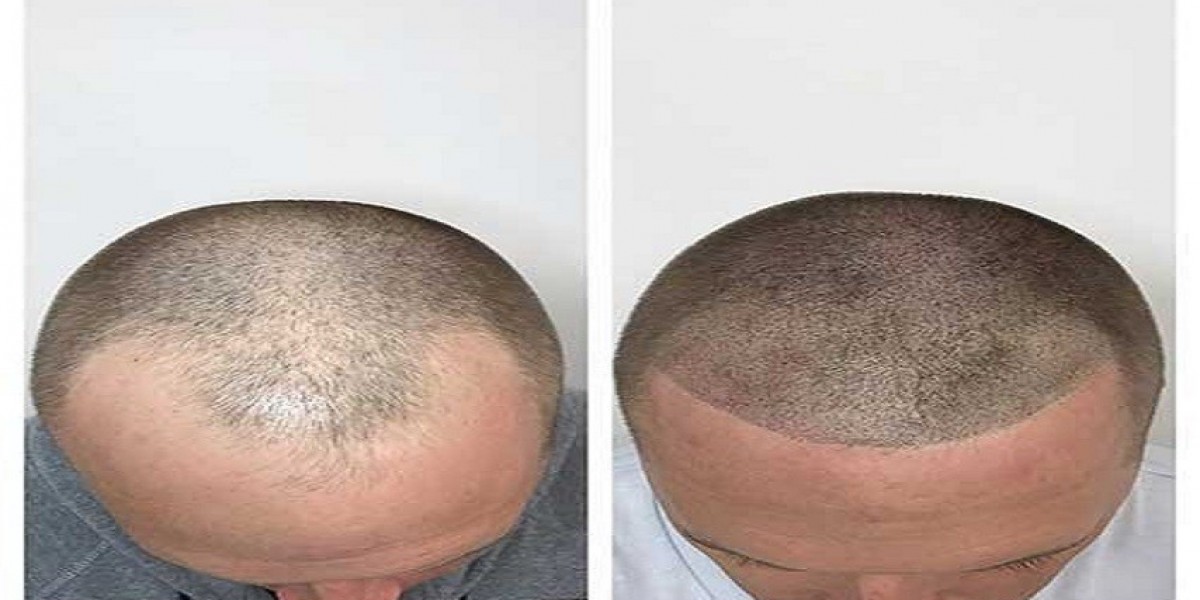

Noticing a receding hairline, widening part, or increasing scalp visibility can be concerning, especially when hair loss begins earlier than expected. One of the biggest questions people face is whether they should consider a hair transplant immediately or explore non-surgical hair treatments first.
The answer is not the same for everyone. For many people with early-stage hair loss, non-surgical treatment may be a sensible first step because it can help slow progression and preserve existing hair. However, surgery can be an effective option for selected individuals with established, permanent hair loss. The right choice depends on the cause, pattern, severity, and progression of hair loss.
What Is Early Hair Loss?
Early hair loss generally refers to noticeable thinning or increased shedding before significant baldness has developed. It may appear as:
- A receding hairline
- Thinning around the crown
- A widening central part
- Reduced overall hair density
- A thinner ponytail
- Increased visibility of the scalp
Hair loss can have many causes, including hereditary pattern hair loss, hormonal changes, nutritional deficiencies, stress, medical conditions, and scalp disorders. Therefore, identifying the cause should come before deciding on a treatment.
Why Consider Non-Surgical Treatment First?
Non-surgical approaches aim to preserve existing follicles, slow hair loss, and potentially improve hair density without undergoing a surgical procedure.
One commonly used option is minoxidil, which can stimulate hair growth and help reduce further hair loss in appropriate cases. It is used for both men and women, depending on the specific condition and formulation. Results usually take several months, and continued use is generally necessary to maintain the benefits.
For some men with male pattern hair loss, a doctor may also consider prescription medications such as finasteride. It can slow hair loss and stimulate regrowth in some patients, but it is not suitable for everyone and can have side effects. Women who are pregnant or may become pregnant should not use finasteride because of potential risks to a developing fetus.
Other non-surgical approaches, such as low-level laser therapy or platelet-rich plasma (PRP), may be considered depending on the individual's condition. Evidence and suitability vary between treatments, so professional assessment is important rather than choosing a procedure solely based on marketing claims.
What Are the Advantages of Non-Surgical Treatment?
For someone in the early stages of hair loss, non-surgical treatment may offer several advantages.
It can help preserve existing hair. Early intervention can be particularly important in hereditary hair loss because treatment may help slow follicle miniaturisation before substantial loss occurs.
It avoids surgery. Depending on the treatment, there may be little or no downtime, incisions, or surgical recovery.
It can be used as part of a long-term plan. In some cases, medication or other therapies may continue even if a person eventually chooses a transplant.
However, non-surgical treatment does not guarantee complete regrowth. Effectiveness varies between individuals, and many treatments require ongoing use.
When Does Hair Transplant Surgery Make Sense?
A hair transplant is a surgical procedure that moves healthy hair follicles from one area of the scalp to areas affected by thinning or baldness. It can provide natural-looking and potentially permanent results when performed on an appropriate candidate.
However, surgery may not always be the best first option when hair loss is still developing.
If someone has significant ongoing hair loss, transplanting hair too early may make future planning more complicated. Existing, non-transplanted hair can continue to thin, potentially creating an uneven appearance over time.
This is one reason why a specialist may recommend stabilising hair loss before considering surgery.
Is Surgery Better Than Non-Surgical Treatment?
There is no universal winner.
A hair transplant can restore hair to areas where density has already been significantly reduced, but it does not necessarily stop future hair loss in untreated areas. Dermatologists may recommend hair-loss medication alongside transplantation to help preserve the remaining natural hair.
Non-surgical treatment, meanwhile, may be more appropriate when hair loss is mild, relatively recent, or still progressing.
For early hair loss, the goal is often hair preservation first and restoration when necessary.
Why Professional Diagnosis Matters
Hair loss should not automatically be assumed to be genetic. Conditions such as nutritional deficiencies, thyroid problems, scalp disorders, autoimmune conditions, and temporary shedding can require very different approaches.
A dermatologist or qualified hair specialist can examine the scalp, assess the pattern of loss, review medical and family history, and determine whether further testing is appropriate.
Starting the right treatment early can be valuable because some forms of hair loss become more difficult to reverse as follicles progressively shrink.
Final Thoughts
So, is non-surgical hair treatment better than surgery for early hair loss? In many cases, it can be a practical first approach, particularly when the objective is to preserve existing hair and slow further progression.
But there is no single treatment that works for everyone. A hair transplant can be an excellent option for carefully selected individuals with established, permanent hair loss, while non-surgical therapies may be more suitable during the early stages.
Alopecia and Hair Fall: Early Signs You Should Not Ignore



