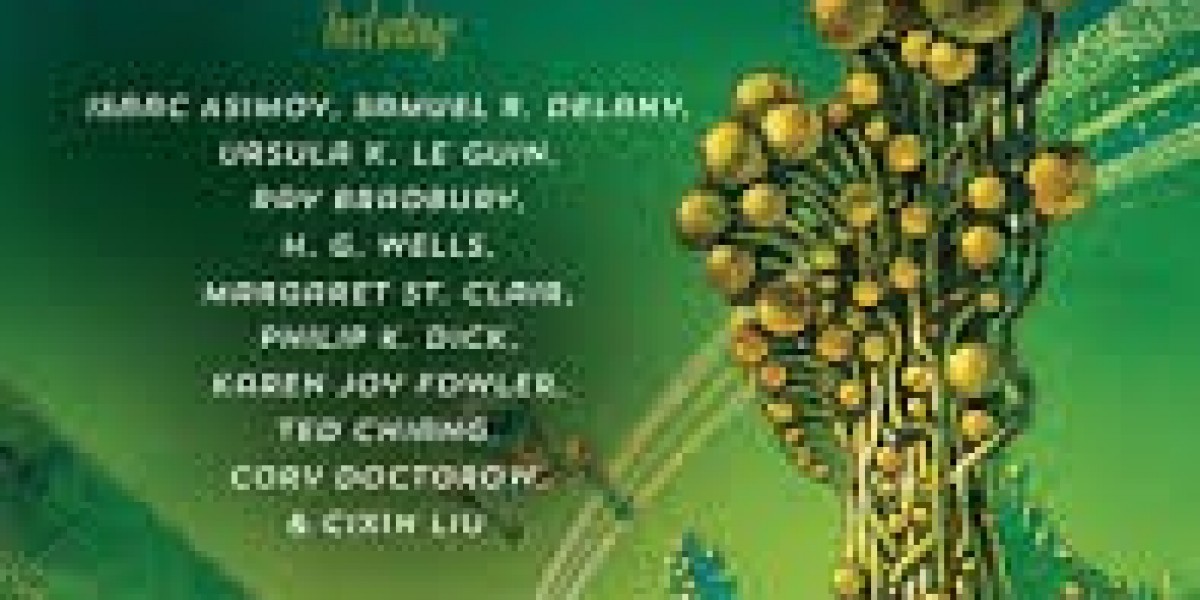

Science fiction has always been a genre that encourages people to imagine what might be possible. From distant galaxies and strange planets to artificial intelligence advanced technology and alternate realities science fiction opens doors to worlds that do not exist in everyday life. At the center of these stories is the creative mind of a science fiction novelist someone who transforms unusual ideas into stories that readers can experience and remember.
A science fiction novelist does much more than create futuristic settings. Good science fiction combines imagination with human emotions meaningful characters and questions about the future. A story may be set hundreds of years from now but its characters can still deal with familiar feelings such as love fear loneliness ambition curiosity and hope.
What Is a Science Fiction Novelist?
A science fiction novelist is an author who creates fictional stories based on scientific technological futuristic or speculative ideas. These stories can take place on Earth in space on distant planets or in completely imagined realities.
Science fiction is a broad field so there is no single way to become a science fiction novelist. Some writers concentrate on scientific accuracy and realistic technology while others focus more on characters society philosophy or adventure.
The genre itself has developed many conventions over time. The Encyclopedia of Science Fiction describes genre science fiction as fiction recognized through a collection of established storytelling conventions that writers can follow adapt and expand.
This gives authors plenty of room to experiment. A writer can take a familiar idea and approach it from an entirely different direction.
The Importance of Imagination
Imagination is probably one of the most important qualities of a successful science fiction novelist. Before a futuristic world can appear on a page the writer has to imagine it.
Think about a story involving a city on Mars. The author has to consider what the city might look like how people would live there what they would eat how they would communicate and what challenges they might face. Even a simple futuristic setting can require a surprising amount of creative thought.
However world-building should not overwhelm the story. Readers usually connect with characters first. A beautifully designed planet means little if there is no interesting person experiencing it.
This is why strong science fiction often combines large ideas with personal stories. The setting may be extraordinary but the emotions should still feel recognizable.
Science Fiction and Scientific Ideas
Science plays an important role in many science fiction stories although not every science fiction novel needs to be technically detailed.
Some writers research astronomy physics biology computing engineering or other scientific subjects before building their stories. Others use science as a starting point and then allow their imagination to take the story further.
Several well-known science fiction authors have had strong connections with science. Isaac Asimov for example had a background in chemistry and became known for both science fiction and popular science writing. Arthur C. Clarke also had a strong interest in science and space exploration and his scientific interests influenced his fiction.
This connection between science and storytelling can make the genre particularly interesting. Readers can enjoy an entertaining story while also being introduced to new scientific concepts and possibilities.
Famous Science Fiction Novelists
The history of science fiction includes many writers who helped expand the possibilities of the genre.
Isaac Asimov is well known for his Robot stories and Foundation series. His fiction often explored robotics artificial intelligence science and future civilizations. He also wrote extensively about science for general readers making him an unusual example of an author who successfully worked in both fiction and science communication.
Arthur C. Clarke is another major name. His stories frequently explored space exploration scientific discovery alien civilizations and humanity's place in the universe. His novel Rendezvous with Rama became one of his best-known works and received several major science fiction awards.
Ursula K. Le Guin brought another dimension to science fiction. Her stories often examined culture society identity and relationships. Her Hainish fiction created different human societies across multiple worlds allowing her to explore social ideas through speculative settings.
Philip K. Dick also became an influential voice in science fiction. His work frequently explored reality memory identity and the relationship between humans and technology.
Frank Herbert created one of the most recognizable fictional universes through Dune. His work demonstrated how science fiction could combine detailed world-building with politics ecology culture religion and human ambition.
These authors had very different styles but they shared an ability to make readers think beyond ordinary experiences.
Different Types of Science Fiction
One reason becoming a science fiction novelist can be so exciting is the variety within the genre.
Space science fiction takes readers beyond Earth and often involves spacecraft alien civilizations planetary exploration and interstellar travel.
Hard science fiction usually places greater emphasis on scientific concepts and technical details. Readers who enjoy astronomy physics and engineering may find this style particularly appealing.
Dystopian science fiction imagines societies that have developed in troubling ways. These stories can explore technology government environmental problems inequality and social control.
Cyberpunk often combines advanced technology with large cities digital systems artificial intelligence and social divisions.
Time-travel fiction explores the possibilities and complications of moving between different periods. A small change in the past can potentially create an entirely different future giving writers endless possibilities for storytelling.
There is also science fiction that focuses primarily on relationships personal identity and society. This proves that futuristic fiction does not always have to be about spaceships or battles.
Why Character Development Matters
A common misconception is that science fiction is mainly about technology. In reality many memorable science fiction stories are driven by characters.
A spaceship can be impressive but readers are more likely to remember the person sitting inside it. What does that character want? What are they afraid of? What are they willing to sacrifice?
A skilled science fiction novelist understands that futuristic technology is a tool for storytelling. It can create problems opportunities conflicts or discoveries but characters give those events emotional meaning.
For example a story about artificial intelligence becomes more interesting when readers understand how a human character feels about the machine. Is the character afraid of it? Curious about it? Dependent on it? Does the machine become a friend a competitor or something difficult to understand?
Questions like these turn a technological concept into a human story.
The Role of World-Building
World-building is another important part of science fiction writing. A fictional world should feel as though it existed before the reader opened the book.
A novelist may need to think about geography technology history politics culture language transportation and everyday life. Even when all these details are not directly explained they can help make the setting feel believable.
The best world-building does not necessarily involve pages of explanation. Small details can be enough. A character using an unusual device traveling through a futuristic city or following a strange cultural tradition can tell readers a lot about the world without slowing down the story.
This balance between explanation and storytelling is an important part of the craft.
Discovering Science Fiction Through Rick Goldman Author
Readers who enjoy discovering authors stories and ideas from the science fiction world can explore Rick Goldman Author. The author section provides a place to learn more about science fiction writing and the creative possibilities of the genre.
Whether you are interested in classic science fiction contemporary storytelling futuristic adventures or imaginative worlds exploring different authors can help you discover new perspectives.
For aspiring writers reading widely can also be a valuable learning experience. Looking at how different authors build worlds develop characters introduce technology and create suspense can provide inspiration for developing a personal writing style.
Why Science Fiction Continues to Matter
Science fiction remains popular because it allows readers to think about the future while still reflecting on the present.
A novel about artificial intelligence can raise questions about human responsibility. A story about another planet can encourage curiosity about space. A fictional society can make readers consider how their own communities work.
The genre can entertain but it can also challenge assumptions and encourage curiosity. That combination has helped science fiction remain an important part of modern literature.
For a science fiction novelist this creates an exciting opportunity. Every new story can introduce readers to a different possibility. There are always new technologies to imagine new worlds to build and new questions to explore.
Conclusion
A science fiction novelist has the opportunity to take readers somewhere they have never been. Through imaginative settings memorable characters scientific ideas and thought-provoking questions science fiction can transform ordinary reading into an experience of discovery.
From Isaac Asimov and Arthur C. Clarke to Ursula K. Le Guin and many contemporary writers science fiction authors have continually expanded what stories can accomplish. Their work demonstrates that the genre is not simply about predicting the future. It is about asking questions exploring possibilities and understanding humanity from a new perspective.
If you enjoy futuristic ideas fascinating worlds technology space mystery or stories that make you think exploring the work of different science fiction novelists can open the door to countless new reading experiences. Visit Rick Goldman Author to continue exploring the imaginative world of science fiction and discover stories that inspire curiosity about what might come next.



