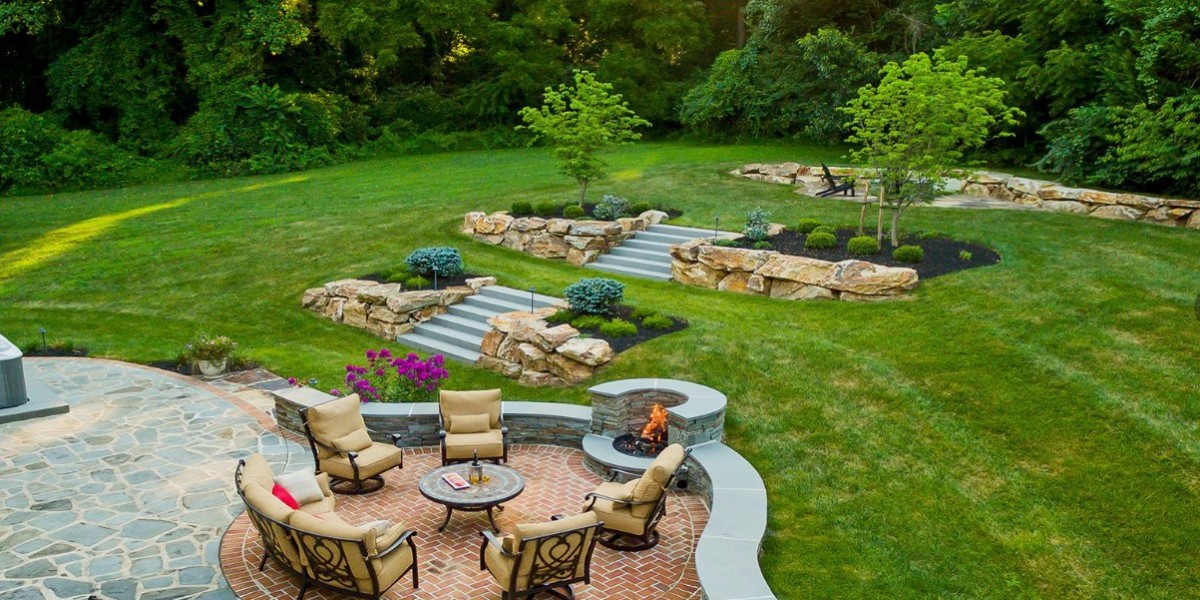

A thoughtfully planned landscape can transform an ordinary yard into an attractive, functional extension of a home or commercial property. New lawns, planting beds, trees, shrubs, pathways, patios, and decorative features can improve curb appeal while making outdoor areas more useful for everyday activities. Professional landscape installation colleyville tx services give property owners an opportunity to develop these features with attention to site conditions, plant selection, drainage, irrigation, and long-term maintenance. Instead of adding landscape elements one at a time without a clear plan, professional installation can bring individual components together into a cohesive outdoor environment.
Colleyville properties have unique characteristics that can influence landscape performance, including varying sunlight, mature trees, soil conditions, drainage patterns, and different lot configurations. Homeowners may be interested in replacing outdated landscaping, creating an outdoor living area, installing new turf, or completely redesigning their yards. Businesses and property managers may have similar goals while placing additional emphasis on accessibility, appearance, durability, and ease of maintenance. Choosing landscape installation colleyville tx services with a property-specific approach can help ensure that the finished landscape is designed around actual site conditions and the owner's priorities rather than relying on a generic template.
Understanding Landscape Installation
Landscape installation involves much more than placing plants into the ground. Depending on the scope of a project, the process can include site preparation, grading, soil improvement, turf installation, planting, mulch application, hardscape construction, irrigation adjustments, drainage improvements, and lighting installation. Each stage can affect the performance of the next. For example, planting beds should be positioned with drainage and irrigation in mind, while grading should direct water appropriately before new turf or hardscape is installed. Existing vegetation may also need to be removed or incorporated into the new design. A professional installation begins with an evaluation of the property so that challenges can be identified before construction starts. This planning stage helps determine which materials and plants are appropriate while establishing a layout that fits the property's architecture and intended use. Proper preparation can make the installation process more efficient and give new landscape features a stronger foundation for long-term performance.
Designing a Landscape Around Property Goals
Every landscape project should begin with a clear understanding of what the property owner wants the outdoor space to accomplish. A front yard may focus primarily on curb appeal and a welcoming entrance, while a backyard could prioritize entertaining, recreation, privacy, or relaxation. Commercial properties may require attractive entrances, defined pedestrian areas, low-maintenance planting, and clear visibility around signs and buildings. These objectives influence everything from plant placement to hardscape configuration. The property's existing features should also be incorporated where practical. Mature trees can provide shade and structure, while established pathways or architectural elements may help guide a new design. A good landscape plan balances appearance with functionality so that outdoor spaces remain practical after installation. It should also consider how people will move through the property, how vegetation will grow, and how much maintenance the owner is prepared to provide. Planning around actual goals can prevent expensive changes later.
Selecting Plants for Local Growing Conditions
Plant selection has a major influence on whether a newly installed landscape remains healthy and manageable. Plants differ in their requirements for sunlight, water, soil, space, and maintenance, so choosing vegetation simply because it looks attractive may not produce the best long-term result. Areas beneath mature trees, for example, may have significantly different growing conditions from open sections exposed to direct sunlight. Mature plant size should also be considered because shrubs and trees that are installed too close together can eventually become overcrowded or interfere with buildings, walkways, utility areas, and other landscape features. A balanced planting plan can combine different heights, textures, colors, and seasonal characteristics while keeping maintenance requirements realistic. Native and well-adapted plants can also be considered when appropriate for the site. Careful selection at the beginning can reduce unnecessary replacements and excessive pruning while helping the landscape develop naturally over time.
Preparing Soil and Installing New Turf
Soil preparation is an important but sometimes overlooked part of landscape installation. New plants and turf depend on suitable soil conditions for establishment, and compacted or poorly prepared soil can make it harder for roots to develop effectively. Before installing sod or other vegetation, the site may require removal of existing debris, grading, soil amendment, or other preparation based on its condition. Proper grading is particularly important because it influences how water moves across the property. When installing a new lawn, property owners should also consider the type of turf that fits the site's sunlight, irrigation capabilities, maintenance expectations, and seasonal conditions. Sod can provide an immediately established appearance, while other lawn establishment methods may be appropriate in different circumstances. The important consideration is selecting and installing turf according to the property's conditions rather than choosing solely based on initial appearance. Good preparation can improve establishment and help create a more uniform lawn.
Integrating Hardscape Into the Landscape
Hardscape features can add structure and usability to an outdoor environment. Patios, walkways, retaining walls, stone borders, seating areas, and other durable features can define different portions of a property while providing practical surfaces for everyday use. Their placement should complement the architecture and natural flow of the landscape. A pathway should make movement easier rather than simply occupying available space, while a patio should be positioned according to how the area will be used. Materials should be selected based on appearance, durability, maintenance, and compatibility with the surrounding property. Drainage is another important consideration because hard surfaces can influence runoff. Proper planning can help prevent water from collecting where it could damage structures or landscape beds. When hardscape is designed alongside planting and irrigation, the finished property can feel more cohesive and intentional. Integrating these elements during installation is generally more effective than adding disconnected features after the landscape has already been completed.
Managing Drainage and Irrigation
Water management should be considered before new landscape features are installed. Poor drainage can lead to standing water, erosion, saturated soil, declining plants, and damage to certain outdoor surfaces. At the same time, insufficient irrigation can leave newly installed turf and vegetation stressed, particularly during periods of hot or dry weather. A landscape installation project provides an opportunity to evaluate how water currently moves across the property and whether changes are needed. Irrigation systems should distribute water appropriately without continually oversupplying certain areas. New planting beds may require different watering patterns from lawns, while mature trees can influence moisture levels in surrounding soil. Property owners should also consider how future plant growth could affect irrigation coverage. Addressing these concerns during installation can reduce the risk of recurring problems and help protect the investment in new landscaping. Water management should be treated as part of the overall design rather than as a separate issue to resolve after installation.
Adding Lighting to New Landscape Designs
Outdoor lighting can enhance both the functionality and appearance of a newly installed landscape. Pathways, entrances, trees, planting beds, patios, architectural features, and outdoor gathering areas can all benefit from carefully positioned lighting. The goal should be appropriate illumination rather than simply making the property brighter. Fixture placement, direction, spacing, and intensity can influence visibility and the overall atmosphere of the landscape. Lighting should also be coordinated with vegetation because trees and shrubs change as they mature and can eventually affect how fixtures distribute light. Installing lighting as part of a larger landscape project makes it easier to position electrical components and fixtures according to the final design. For residential properties, this can help extend outdoor use into the evening, while commercial properties may benefit from better visibility around entrances and frequently traveled areas. Thoughtful lighting can add another layer of functionality without overwhelming the landscape.
Choosing a Landscape Installation Professional
Selecting an installation company requires careful consideration because the quality of preparation and construction can influence the landscape for many years. Property owners should look at experience, communication, project scope, materials, scheduling, maintenance capabilities, and the provider's approach to site evaluation. It is useful to ask whether the company handles both softscape and hardscape work and whether irrigation, drainage, lighting, and ongoing maintenance can be coordinated with the installation. A detailed proposal should clearly explain the intended work and identify important materials or project stages. Local providers such as Limitless Landscaping of Texas LLC may offer combinations of landscape design, installation, maintenance, drainage, and lighting services, giving property owners an option for coordinating multiple aspects of an outdoor project. Regardless of the provider selected, homeowners should choose a company based on suitability for the project rather than relying solely on the lowest estimate.
Planning for Long-Term Landscape Maintenance
A landscape installation should be planned with future maintenance in mind. Newly planted trees and shrubs will grow, turf will respond to changing weather, and outdoor areas may eventually be used differently. Planting beds that appear spacious immediately after installation can become crowded if mature dimensions are ignored. Likewise, trees can eventually create shade that affects nearby turf and other plants. Designing with these changes in mind can make future maintenance more manageable. Property owners should consider



