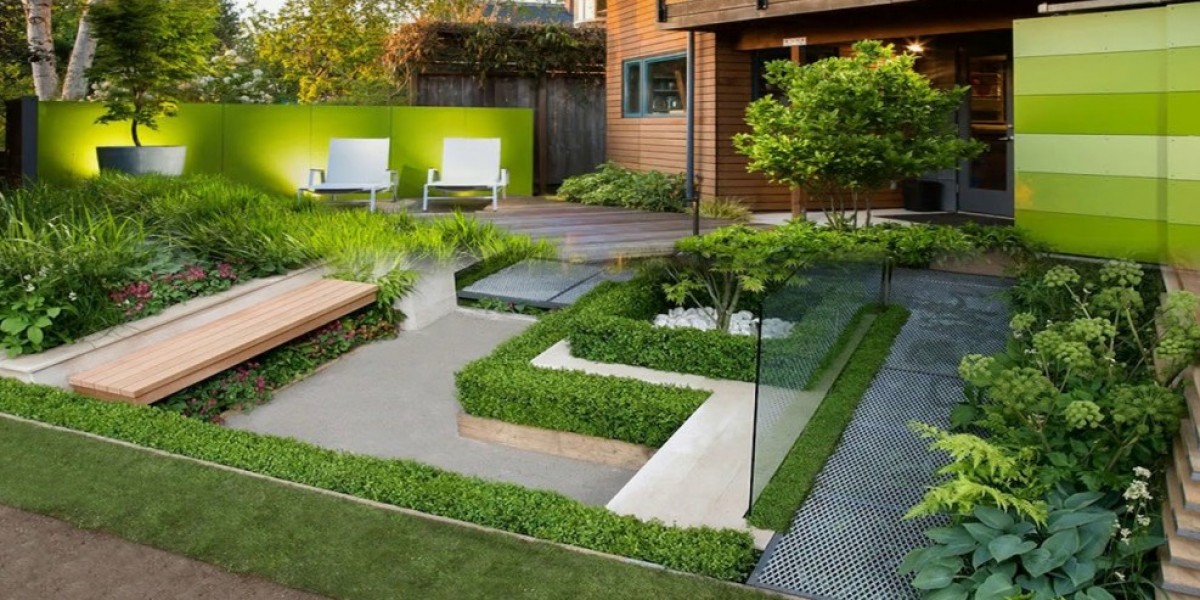

A well-designed landscape can change the way a property looks, feels, and functions. Healthy lawns, properly positioned trees, attractive planting beds, clean walkways, and practical outdoor areas can make a home more welcoming while adding structure and usability to the exterior. For homeowners and property managers, choosing a professional landscaping service colleyville tx provider is about more than keeping grass trimmed. It means finding a team that understands how landscape design, installation, maintenance, irrigation, drainage, and seasonal conditions work together to create a property that remains attractive and functional over time.
Colleyville properties have different layouts, soil conditions, levels of sunlight, mature vegetation, and maintenance requirements, so a standard landscaping approach may not always produce the desired results. Property owners looking for a professional landscaping service colleyville tx provider often need solutions that balance appearance with practical considerations such as water management, plant selection, outdoor use, and long-term upkeep. Whether the project involves improving an established lawn, redesigning a backyard, installing new planting beds, or maintaining a larger commercial property, careful planning can make the finished landscape more useful and easier to manage.
Understanding Comprehensive Landscaping Services
Professional landscaping covers a broad range of services, and understanding what is included can help property owners make better decisions. Routine maintenance may involve mowing, edging, trimming, pruning, weed management, and seasonal cleanup, while larger projects can include landscape design, planting, sod installation, hardscaping, irrigation, drainage, and outdoor lighting. These services often influence one another. Installing a new planting bed can affect irrigation coverage, while changing the grade of a property may alter how rainwater moves across the site. Similarly, adding mature trees can eventually create shade that affects nearby turf. A comprehensive approach considers these relationships before work begins. Instead of treating landscaping as a collection of individual tasks, property owners can benefit from viewing the entire outdoor area as one connected environment. This makes it easier to prioritize improvements, plan realistic maintenance requirements, and avoid design decisions that create unnecessary problems later.
Designing Landscapes Around How the Property Is Used
An effective landscape should support the way people actually use the property. Homeowners may want space for outdoor dining, entertaining, gardening, relaxing, or spending time with family, while businesses may require attractive entrances, clear pedestrian routes, defined gathering areas, and easy-to-maintain grounds. These objectives should influence the location of lawns, patios, planting beds, trees, pathways, and other landscape features. Site conditions are equally important. Areas exposed to full sunlight may require different plants and maintenance practices from shaded locations beneath mature trees. Sloped areas may require special attention to erosion and water movement, while heavily used sections may need durable surfaces instead of delicate vegetation. By combining the owner's priorities with the physical characteristics of the property, a landscape plan can become both attractive and practical. The strongest designs do not simply fill available space; they organize that space around specific uses and long-term property goals.
Selecting Plants for Long-Term Performance
Plant selection can determine how successful a landscape remains after installation. Plants should be chosen according to available sunlight, soil conditions, moisture, mature size, seasonal characteristics, and expected maintenance. A shrub that looks ideal at the time of installation may eventually become too large for a narrow planting bed, while a tree planted too close to a building may create future clearance concerns. Proper spacing is therefore just as important as selecting attractive varieties. Combining trees, shrubs, ornamental plants, and groundcover can provide different layers of height and texture while creating visual continuity throughout the property. Seasonal changes should also be considered so the landscape does not lose all of its interest during one part of the year. Choosing vegetation according to site conditions can reduce unnecessary replacement and excessive pruning while helping plants establish more effectively. A knowledgeable landscaping professional can evaluate these factors and create planting arrangements that account for both immediate appearance and future growth.
Managing Lawn Health and Routine Maintenance
A lawn requires regular care to remain neat and vigorous, particularly when seasonal weather changes influence grass growth. Mowing should be performed according to current growth rather than relying entirely on a fixed calendar. Edging creates defined boundaries around driveways, sidewalks, patios, and planting beds, while trimming handles areas that mowing equipment cannot easily reach. Regular cleanup keeps clippings and debris from accumulating around entrances and hard surfaces. However, routine maintenance should also involve observation. Thin grass, bare areas, excessive weeds, unusual discoloration, or recurring wet spots may indicate underlying concerns involving soil, irrigation, drainage, or growing conditions. A professional landscaping service colleyville tx provider can incorporate this type of observation into regular maintenance and identify when additional attention may be appropriate. Consistent care does not guarantee that every lawn will remain problem-free, but it creates a better opportunity to notice changes early and respond before minor concerns become more complicated landscape issues.
Addressing Drainage and Irrigation
Water management is a critical part of landscape planning because both excess and insufficient moisture can damage lawns and plants. Standing water can lead to saturated soil, erosion, muddy areas, and declining vegetation, while inadequate irrigation can cause turf and plants to become stressed during hot or dry periods. Changes to the landscape can also affect existing water flow. New planting beds, patios, retaining structures, or grading adjustments may redirect runoff, making it important to consider drainage before construction begins. Irrigation should similarly provide appropriate coverage without consistently overwatering certain sections. Property owners can watch for signs such as recurring puddles, unusually dry patches, soil erosion, or plants that perform differently from nearby vegetation. These conditions may justify a more detailed evaluation. Integrating drainage and irrigation into landscape planning can help protect new installations and improve the overall functionality of the property rather than addressing water problems only after they become visible.
Adding Hardscape and Outdoor Living Features
Hardscape features can give a landscape structure while expanding the ways an outdoor area can be used. Patios, walkways, retaining walls, seating areas, decorative borders, and other durable surfaces can create defined spaces for movement and outdoor activities. Their placement should follow the property's natural flow and complement existing architecture and vegetation. A patio positioned close to a frequently used entrance, for example, may be more practical than one located in an isolated portion of the yard. Pathways should provide convenient connections without unnecessarily dividing planting areas or creating awkward transitions. Materials should also be selected with durability, maintenance, appearance, and site conditions in mind. When hardscape is planned alongside plants and drainage, it becomes easier to create an integrated design. Outdoor living areas can then feel like a natural extension of the property rather than additions that were placed independently of the surrounding landscape.
Enhancing Properties With Landscape Lighting
Landscape lighting can improve the appearance and usability of outdoor areas after sunset. Strategically placed fixtures can illuminate pathways, entrances, trees, planting beds, architectural details, patios, and other features that deserve attention during evening hours. Good lighting design is not simply a matter of making the property brighter. Fixture direction, spacing, intensity, and placement all influence the final effect. Excessive illumination can create glare, while poorly positioned fixtures may leave important areas unevenly lit. Plant growth should also be considered because trees and shrubs can change the distribution of light as they mature. Incorporating lighting into the overall landscape plan allows fixtures to be coordinated with pathways, hardscape, structures, and vegetation. For residential properties, this can make outdoor spaces more comfortable in the evening, while businesses may benefit from improved visibility around entrances and pedestrian areas. Thoughtful lighting can therefore serve practical needs while also adding another visual layer to the landscape.
Choosing the Right Landscaping Professional
Selecting a landscaping provider should involve careful consideration of experience, communication, reliability, project scope, and maintenance capabilities. Property owners should determine whether a company focuses primarily on recurring lawn care or can also handle design, installation, drainage, irrigation, lighting, and larger landscape improvements. Understanding what is included in a service agreement is equally important. Questions about mowing frequency, pruning, seasonal cleanup, irrigation monitoring, project scheduling, and weather-related changes can help establish clear expectations from the beginning. A property assessment is also valuable because professional recommendations should reflect the site's actual conditions rather than assumptions about what every property needs. Local companies such as , , and serve the Colleyville area and illustrate the range of landscaping providers available to property owners. Comparing service capabilities and maintenance approaches can help homeowners select a provider whose expertise matches their specific project.
Planning for Long-Term Landscape Success
A landscape continues to change after installation, which makes long-term planning essential. Trees grow, shrubs mature, weather patterns vary, irrigation requirements change, and property use can evolve. A planting bed that looks spacious when first installed may eventually become crowded, while increased tree canopy can create new shade conditions for nearby grass. Regular landscape evaluations can identify these changes and determine whether pruning, plant replacement, irrigation adjustments, drainage improvements, or targeted renovations are appropriate. Property owners do not always need to undertake a complete redesign when one part of a landscape begins to underperform. Smaller improvements can often restore functionality while preserving successful portions of the existing design. Planning projects in phases can also make larger improvements easier to budget and manage. A long-term landscape strategy should therefore focus on adaptability, realistic maintenance, and gradual improvement rather than expecting the original installation to remain unchanged indefinitely successful landscape requires a balance between appearance, functionality, plant health, water management, and realistic maintenance. From lawn care and seasonal cleanup to landscape design, planting, hardscape, drainage, irrigation, and lighting, each component can influence the performance of the outdoor environment. Property owners should evaluate landscaping providers based on their experience, communication, service range, reliability, and ability to develop solutions around the property's actual conditions. Choosing.
Conclusion
A successful landscape requires a balance between appearance, functionality, plant health, water management, and realistic maintenance. From lawn care and seasonal cleanup to landscape design, planting, hardscape, drainage, irrigation, and lighting, each component can influence the performance of the outdoor environment. Property owners should evaluate landscaping providers based on their experience, communication, service range, reliability, and ability to develop solutions around the property's actual conditions. Choosing a professional landscaping service colleyville tx provider can make it easier to coordinate routine care with larger improvements while keeping long-term goals in focus. The most effective landscape is not necessarily the most elaborate; it is one that fits the property, supports how the space is used, and can be maintained responsibly as conditions change. With thoughtful planning and consistent care, Colleyville properties can enjoy outdoor spaces that remain attractive, functional, and valuable for years to come.



