

For centuries, humans across all cultures have been captivated by the thrill of wagering money on uncertain outcomes.
From glamorous casino floors to digital online platforms, millions of people actively participate in games of chance.
To truly understand this phenomenon, we must explore the complex psychological mechanisms driving the desire to play.
The allure of casino games is deeply connected to neurochemistry and our natural response to unpredictable stimuli.
Let's examine the fascinating science behind the thrill of the bet and the psychology of the casino experience.
The Brain's Reward System on Gambling
At the core of the gambling experience is the brain's powerful reward system, primarily driven by dopamine.
It is the same chemical involved in eating delicious food, falling in love, and experiencing novel thrills.
The most fascinating aspect is that the brain floods with dopamine while the roulette wheel is still spinning.
This means the act of taking a risk is inherently rewarding to the brain, regardless of the final result.
Modern casino games, especially video slots, are expertly designed to maximize these dopamine spikes through sights and sounds.
How the Brain is Tricked by Near-Misses
Game designers deliberately utilize the "near-miss" to manipulate player perception and encourage continued play.
For example, landing two jackpot symbols on a slot machine, with the third symbol falling just one space away.
Logically, a near-miss is functionally identical to a complete loss; you win zero money.
The brain interprets a near-miss as a sign that you are acquiring skill or that a win is imminent.
This illusion of proximity is heavily utilized in scratch cards and slot machines to keep players engaged.
Why We Think We Can Beat the Odds
Humans have a natural tendency to overestimate their ability to influence events that are actually purely random.
Players often feel that blowing on dice, picking their own lottery numbers, or squeezing cards impacts the outcome.
The classic example is believing that a roulette wheel must land on black because it just landed on red five times.
Casinos exploit this by displaying history boards at roulette tables, encouraging pattern-seeking behavior.
These cognitive biases work together to convince players that they have a fighting chance against the house.
The Mental Mechanisms of Casino Play
- Dopamine Release: The thrill of anticipation and reward.
- Near-Win Illusion: Feeling like a jackpot is very close.
- Illusion of Control: Believing you can influence random outcomes.
- Pattern Seeking: Believing past spins dictate future results.
- Social Validation: The communal excitement of a casino floor.
Emotional States and Betting
| Event | Psychological Reaction | Player Action |
|---|---|---|
| Big Win | Euphoria, Overconfidence | Increases bet sizes |
| Near Miss | Frustration mixed with Hope | Continues playing heavily |
| Busting Out | Regret and Stress | Attempting to win it back |
By recognizing how the brain responds to casino games, you can become a much safer and smarter gambler.
Realizing that the Gambler's Fallacy is a cognitive error helps you avoid making irrational and expensive bets.
The goal is to enjoy the thrill and the dopamine rush responsibly, without letting it control your finances.
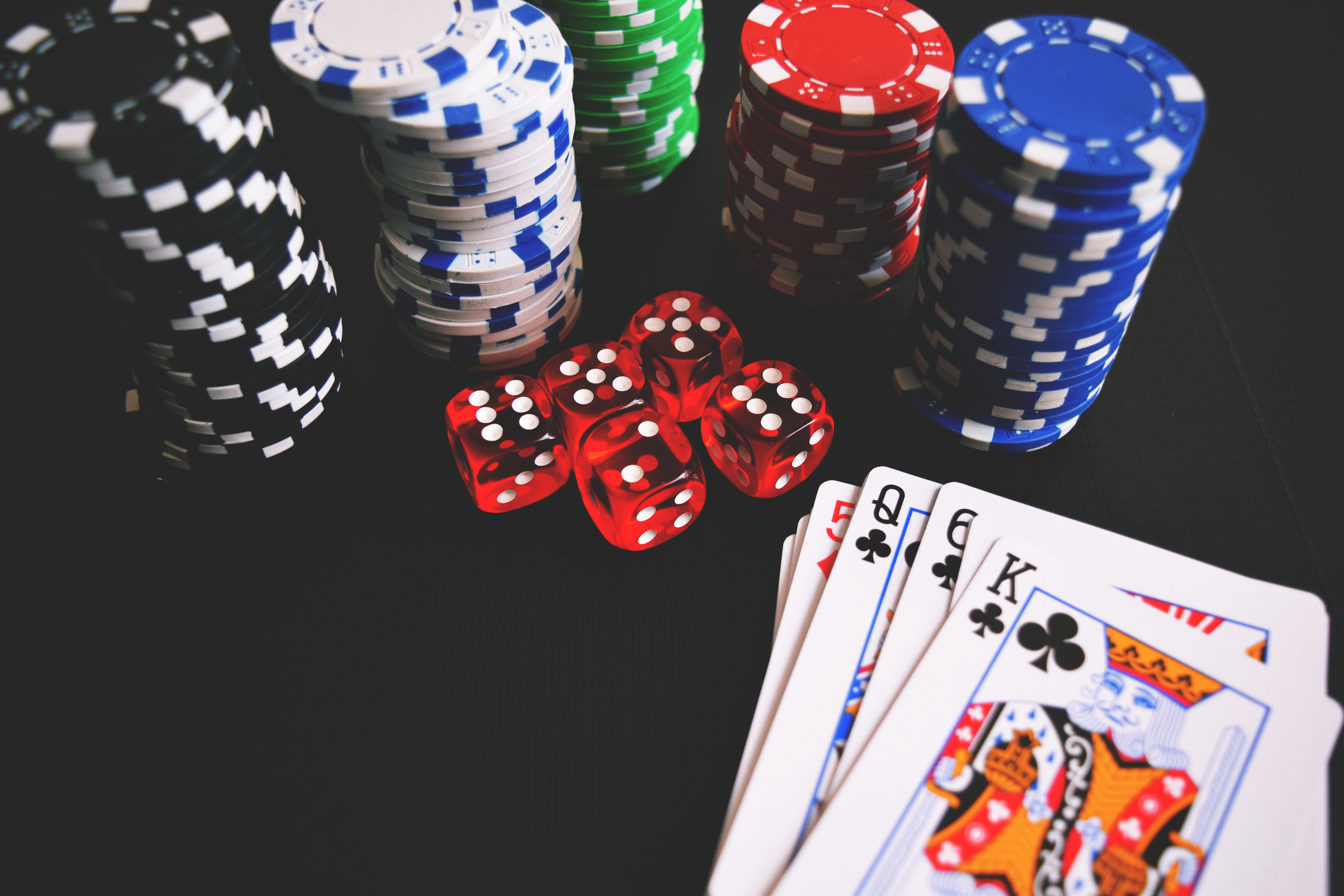
Pre-commitment strategies are the best way to counteract the intense emotional swings of a casino session.
Gamble with knowledge, maintain discipline, and treat the casino as a form of paid entertainment.