

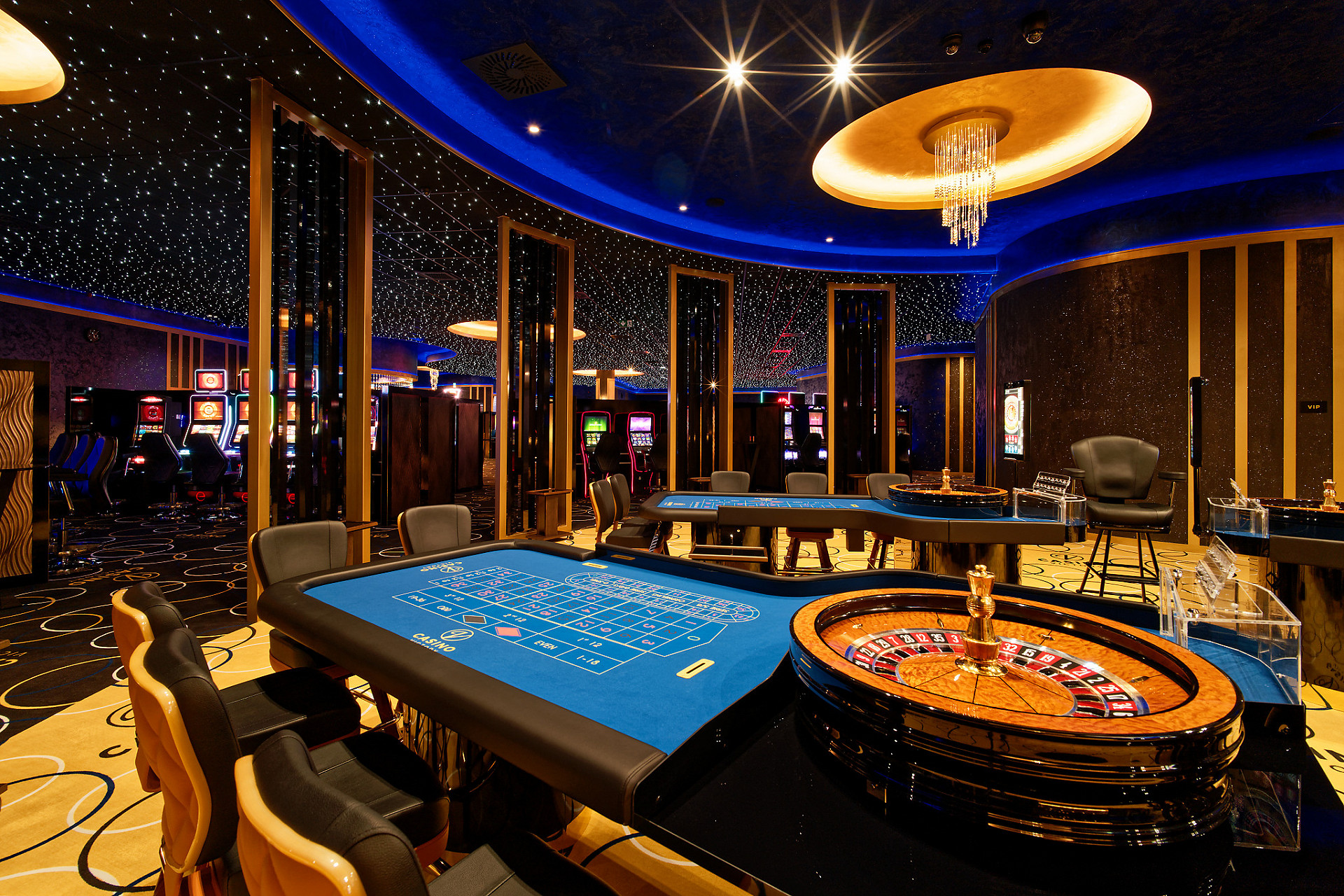
If you physically stand next to a massive, beautifully polished roulette wheel in the center of a chaotic, brightly lit Las Vegas casino floor, and the ball lands on red eight times in a row, you will immediately witness a massive, highly predictable psychological phenomenon. A massive, aggressive crowd of highly excited gamblers will run to the wheel and bet heavily on black. If you ask them why, they will confidently say: 'Black is due to hit.' This mathematical error is universally known by mathematicians and casino executives as the highly dangerous "Gambler's Fallacy.". It is the deeply ingrained, completely false psychological assumption that a random spin is somehow mathematically influenced, altered, or dictated by the past. Understanding exactly why this massive psychological glitch occurs in the human brain—and exactly why the multi-billion dollar casino industry loves this fallacy is key to surviving the casino from losing your money.
The Math of Independent Events: Why the Past Doesn't Matter
The core mathematical concept to understand the fallacy is 'Independent Events.'. A massive roulette wheel, a pair of red plastic craps dice, and a digital slot machine have one thing in common: they absolutely do not possess a physical or digital memory. When the casino dealer spins the massive wooden roulette wheel, the wheel completely, absolutely does not know that the color red has just hit eight consecutive times. The wheel cannot balance the math. Therefore, the exact mathematical probability of the ball landing on black on the 9th spin is still exactly 18 in 38 (roughly 47.3% on an American double-zero wheel). The exact same absolute logic applies to a coin flip. If you flip a normal coin and it lands on heads 20 times, the odds of tails on the next flip are exactly 50 percent. The universe absolutely does not mathematically owe you a 'Tails', and the casino absolutely does not mathematically owe you a 'Black.'.
Why the Brain is Fooled: Seeking Order in Chaos
If the statistical math is so obvious, why do highly intelligent people consistently fall for this massive, bankroll-destroying trap?. The answer lies deep within the highly complex, ancient evolutionary biology of the physical human brain. Over millions of years, the human brain has been highly optimized to find patterns in nature to ensure our physical survival in a highly dangerous world. We track the patterns of the weather, the seasons, and animal migrations. Because of this instinct, when we sit in a massive, chaotic casino, our brains absolutely hate the concept of pure randomness. When we see a digital casino display board showing eight red numbers in a row, our brains aggressively, automatically try to force a logical pattern onto the chaos. We feel the universe must correct it immediately. The massive, multi-billion dollar casino industry knows this about human psychology. This is why casinos use digital display boards glowing brightly in the air, showing the exact results of the last 20 spins. They want you to be fooled, because it makes you bet based on a fallacy.
- The Law of Large Numbers: A key aspect stems from a massive, fundamental misunderstanding of the 'Law of Large Numbers.'. This law states that over millions of spins, red and black will balance out. But the brain falsely assumes this "balancing" must mathematically happen in the short term (the next 10 spins). The universe does not care about your short, one-hour casino session.
- The Greatest Fallacy in History: The most famous example of this trap occurred in 1913 at the incredibly prestigious, highly aristocratic Monte Carlo Casino. At one roulette table, the color black hit an incredible 26 times in a row. Because of the massive Gambler's Fallacy, players lost massive fortunes betting on red, firmly, incorrectly believing it was mathematically "due" to hit.
- False Strategies: Many incredibly popular, highly dangerous casino betting strategies, like the Martingale, are built entirely and completely on the foundation of the Gambler's Fallacy. The Martingale tells you to absolutely double your massive bet after every loss, based on the false, mathematically incorrect assumption that you must eventually win. This strategy is a guaranteed, absolute mathematical path to rapid bankruptcy.
Playing with Logic: Smart Gambling
To survive in a massive, highly optimized modern casino, you must reject its own deep, evolutionary psychological instincts. We have created a highly disciplined, critical comparison chart to clearly show you exactly how a highly emotional, fallacy-driven player to a smart player and mathematically sound casino professional.
| The Casino Situation | The Bad Player | The Smart Player |
|---|---|---|
| 5 Reds in a row. | Frantically bets massive amounts on Black, completely convinced it is mathematically 'due.' | Knows the wheel has no memory. Odds are still 47.3%. |
| Cold slot machine. | Thinks the machine is 'ready'. | Understands the RNG means every spin is independent. |
| Losing streak. | Massively increases their bet, assuming luck must change. | Sticks to perfect basic strategy and flat betting. |
In conclusion, the massive, incredibly dangerous Gambler's Fallacy is the most profitable friend the multi-billion dollar casino industry has ever mathematically had. Casinos absolutely do not make their massive billions of dollars because of math alone; they make their massive fortunes because people are emotional who aggressively, falsely believe they can accurately predict pure chaos. The very next time you walk onto a massive, neon-lit casino floor, and you look at the roulette display board and see a long streak of red numbers, remember this math rule: the wheel has no memory, the ball does not care, and the universe absolutely, mathematically owes you nothing. Every spin is totally independent.





